
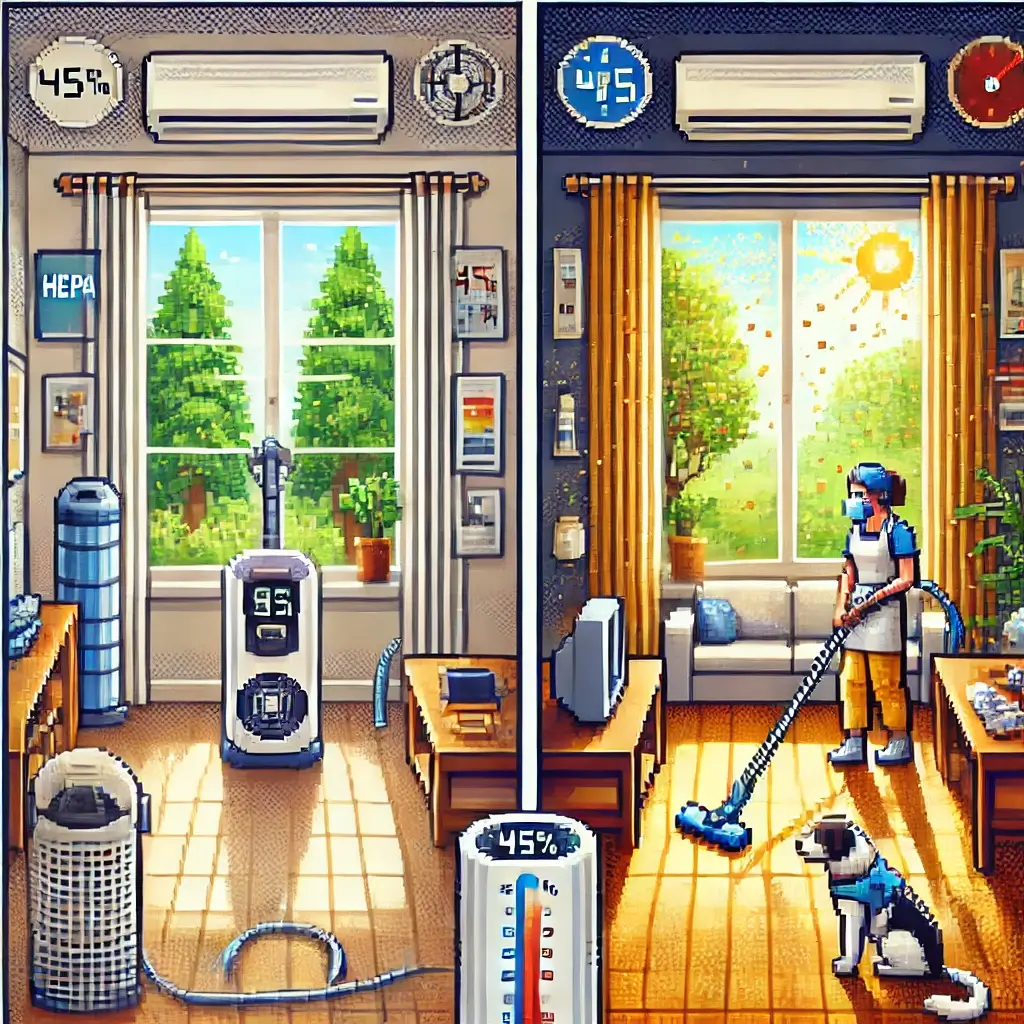
7 Shocking Ways to Conquer Allergies and Breathe Freely!
Hey there, fellow allergy warriors! Are you tired of that perpetual sniffle, itchy eyes, and the feeling that your nose is staging a dramatic protest? Trust me, I get it. For years, I felt like I was living in a perpetual cloud of pollen, dust, and pet dander. It’s no fun being sidelined by sneezes when you just want to enjoy life, is it? But what if I told you there are genuinely effective ways to dramatically improve the air quality around you, both indoors and out, and finally get some relief? This isn’t just about surviving allergy season; it’s about thriving!
We’re going to dive deep into **7 shocking ways to conquer allergies** by tackling the very air you breathe. We’ll cover everything from smart home tech to simple habits that can make a world of difference. No more guessing games or just “dealing with it.” It’s time to take control! Ready to transform your environment and reclaim your breath? —
Table of Contents
—
The Invisible Enemy: Understanding Your Allergy Battle
Before we jump into the solutions, let’s talk for a second about what we’re actually fighting. Allergies aren’t just an annoyance; they’re your immune system overreacting to usually harmless substances called allergens. Think of it like a highly sensitive alarm system that goes off every time a friendly squirrel scurries by, instead of just for burglars. Common culprits? Pollen, dust mites, pet dander, mold spores, and even certain industrial pollutants. These microscopic invaders can turn your comfortable home into a battlefield and a beautiful spring day into a sneezing marathon.
The insidious part about air quality is that it’s largely invisible. You can’t *see* the pollen count rising or the dust mites throwing a party in your mattress. But you certainly *feel* the effects. Improving air quality isn’t just about comfort; it’s about reducing inflammation, improving sleep, and generally boosting your quality of life. My journey began when I realized I was spending more time blowing my nose than enjoying my hobbies. That’s when I got serious about understanding what was in my air. —
Indoor Air Quality: Your Home, Your Sanctuary (or Sneeze-Fest?)
Did you know that indoor air can be 2 to 5 times more polluted than outdoor air? Sometimes even 100 times more! Yes, you read that right. Your cozy home can be a hotbed for allergens if not properly managed. This was a jaw-dropping revelation for me, and it immediately shifted my focus. Here’s how to turn your indoor space into an allergy-free haven.
HVAC Systems & Filters: Your Unsung Air Quality Hero
Think of your home’s HVAC (Heating, Ventilation, and Air Conditioning) system as its lungs. It circulates air, and if those lungs aren’t clean, neither is your air. This is probably one of the most overlooked but impactful areas for improving indoor air quality.
Upgrade Your Filters: This is a big one. Most standard furnace filters are designed to protect your HVAC unit, not necessarily to filter out tiny allergens. You want to look for filters with a high MERV (Minimum Efficiency Reporting Value) rating. A MERV rating of 11 to 13 is generally recommended for allergy sufferers. Anything higher might restrict airflow too much for residential systems, so consult with an HVAC professional if you’re unsure. I personally noticed a massive difference when I switched to a MERV 13 filter. It felt like a subtle, yet profound, shift in the air.
Regular Maintenance: It’s not enough to just swap filters. Your HVAC system needs regular check-ups. Ducts can accumulate dust, mold, and even pet dander over time, becoming an allergen highway. Get your ducts professionally cleaned every 3-5 years, or more often if you have pets or severe allergies. Also, make sure your HVAC technician checks for any leaks or moisture issues that could lead to mold growth.
Pro Tip: Set a recurring reminder on your phone to change your HVAC filter every 1-3 months, depending on filter type, pet presence, and allergy severity. It’s a small task with huge benefits!
The Power of Air Purifiers: A Breath of Fresh Air
If your HVAC system is the lungs of your home, then a good air purifier is like a specialized filter for problem areas. These devices are designed specifically to remove particles from the air. Not all purifiers are created equal, though. Here’s what to look for:
HEPA Filters are Your Best Friend: High-Efficiency Particulate Air (HEPA) filters are the gold standard for allergy sufferers. They can capture 99.97% of airborne particles 0.3 microns in size, which includes pollen, dust mites, pet dander, and mold spores. Make sure the purifier specifies “True HEPA” filter, not “HEPA-type” or “HEPA-like,” as these are less effective. I have one in my bedroom and it’s a game-changer for restful sleep.
Activated Carbon Filters: While HEPA filters tackle particles, activated carbon filters are fantastic for removing odors and volatile organic compounds (VOCs) from things like cleaning products, paints, and even cooking fumes. Many good air purifiers combine both HEPA and activated carbon for comprehensive air cleaning.
Placement Matters: Place air purifiers in the rooms where you spend the most time, like your bedroom or living room. Ensure the unit is appropriately sized for the room’s square footage. Check the CADR (Clean Air Delivery Rate) rating – higher CADR means faster cleaning for a larger space.
Want to learn more about how air purifiers work and find the right one for you? Check out this excellent resource:
Humidity Control: Finding Your Sweet Spot
This might sound a bit niche, but humidity plays a huge role in allergen proliferation. Too much humidity and you’re creating a spa-like environment for mold and dust mites. Too little, and you might experience dry nasal passages, making you more susceptible to irritants. It’s a delicate balance!
The Golden Range: Aim for indoor humidity levels between 30% and 50%. You can monitor this with a simple hygrometer, which you can find at any hardware store or even integrated into some smart home devices.
Dehumidifiers: If your home feels damp, especially in basements or bathrooms, a dehumidifier is your best friend. It pulls excess moisture out of the air, making it less hospitable for mold and dust mites. Remember to empty the water reservoir regularly to prevent mold growth *within* the unit itself.
Humidifiers (Use with Caution): In very dry climates or during winter months when heating dries out the air, a humidifier can add much-needed moisture. However, be incredibly vigilant about cleaning humidifiers daily. Standing water can quickly become a breeding ground for mold and bacteria, which then get aerosolized into your air. I learned this the hard way after a miserable winter of unexplained sniffles!
Cleaning Routines: Dust Bunnies Beware!
Okay, I know, cleaning isn’t exactly “shocking,” but the *way* you clean can make a massive difference for allergy sufferers. This isn’t just about making your house look tidy; it’s about eliminating allergen reservoirs.
Vacuuming Wisely: Forget that old vacuum that just kicks dust around. Invest in a vacuum cleaner with a HEPA filter. Vacuum at least once or twice a week, paying special attention to carpets, rugs, and upholstered furniture. These are notorious allergen traps. If possible, have someone else vacuum or wear a mask if you’re particularly sensitive, as vacuuming can temporarily stir up allergens.
Damp Dusting: Dry dusting just pushes allergens into the air. Use a damp cloth to wipe down surfaces, furniture, and electronics. This traps the dust and prevents it from recirculating. Don’t forget those often-missed spots like ceiling fan blades, tops of door frames, and window sills!
Laundry Matters: Wash bedding, including sheets, pillowcases, and duvet covers, in hot water (at least 130°F or 54°C) once a week to kill dust mites. Consider allergen-proof covers for mattresses and pillows – they create a barrier that dust mites can’t penetrate. It’s like putting your bed in a protective bubble!
Declutter and Simplify: The more stuff you have, the more surfaces there are for dust and allergens to settle on. Minimalist living isn’t just a trend; it’s an allergy-friendly lifestyle. Reduce clutter, especially in bedrooms, and opt for hard flooring over carpets if you’re building or renovating. —
Outdoor Air Quality: Navigating the Great Outdoors
Stepping outside can feel like walking into a cloud of allergens during peak season. But with a few smart strategies, you can minimize your exposure and still enjoy fresh air. It’s all about being prepared and knowing when to seek shelter.
Pollen & Mold Awareness: Know Your Enemy
Understanding the daily pollen and mold forecasts is crucial for outdoor allergy management. This is your battle plan for going outside.
Check Daily Forecasts: Before you head out, check the local pollen and mold counts. Many weather apps and dedicated allergy apps provide this information. Pollen counts are typically highest in the morning, especially on warm, windy days. Rain can temporarily wash pollen away, but it can also promote mold growth.
Timing is Everything: If pollen counts are high, try to schedule outdoor activities for later in the afternoon or after a good rain shower. Avoid gardening or mowing the lawn when pollen is at its peak; if you must, wear a mask.
Wear a Hat and Sunglasses: This might sound simple, but a hat can help keep pollen out of your hair, and sunglasses can shield your eyes from airborne irritants. Plus, you’ll look stylish doing it!
For reliable pollen forecasts and general allergy information, check out these trusted sources:
American Academy of Allergy, Asthma & Immunology (AAAAI)
Personal Protection: Your Allergy Armor
Sometimes, despite all your efforts, allergens will find a way. Here’s how to minimize their impact on your body.
Shower and Change Clothes: After spending time outdoors, especially during high pollen seasons, shower as soon as you come inside. This washes away pollen from your skin and hair. Change into clean clothes, and put your outdoor clothes directly into the laundry hamper. Don’t track those allergens all over your clean home!
Nasal Rinses: Saline nasal rinses (like a Neti pot or saline spray) can be incredibly effective at washing allergens and irritants out of your nasal passages. It sounds a bit weird if you haven’t tried it, but it’s surprisingly refreshing and can provide immediate relief. Always use distilled, sterile, or previously boiled and cooled water for nasal rinses to avoid introducing harmful microorganisms.
Mask Up: For activities like gardening, raking leaves, or mowing the lawn, wearing a high-quality N95 mask can significantly reduce your inhalation of pollen and mold spores. It might feel a bit excessive at first, but your sinuses will thank you! —
Beyond the Basics: A Holistic Approach
While managing your air quality is paramount, a truly effective allergy strategy involves a few other considerations. Think of it as rounding out your defense.
Pet Management: If you have pets and allergies, this is a tough one, but crucial. Ideally, keep pets out of the bedroom. Bathe them regularly to reduce dander, and consider using special pet wipes. Even short-haired breeds produce dander! For a hilarious and informative take on pet dander, one time my vet told me, “It’s not the fur that gets you, it’s the microscopic skin flakes! They’re like tiny, invisible allergy bombs!” That visual stuck with me.
Diet and Hydration: While not directly about air quality, your diet can influence your overall inflammatory response. Some people find that certain foods can exacerbate allergy symptoms. Stay well-hydrated, as it can help keep your mucous membranes moist and more resilient. Drink plenty of water!
Medical Consultation: Don’t hesitate to consult with an allergist. They can conduct tests to pinpoint your specific triggers and recommend personalized treatment plans, which might include antihistamines, nasal corticosteroids, or even allergy shots (immunotherapy). A professional opinion can provide immense clarity and effective solutions.
Here’s another fantastic resource from a leading medical institution:
Mayo Clinic on Allergy Proofing Your Home —
Breathing Easy: Your New Reality
So, there you have it – **7 powerful strategies to reclaim your air and conquer allergies!** It might seem like a lot to take in, but remember, you don’t have to implement everything all at once. Start with one or two changes that feel manageable, like upgrading your HVAC filter or adding an air purifier to your bedroom. Each step you take, no matter how small, adds up to significant relief.
Living with allergies can feel incredibly limiting, but it doesn’t have to be your permanent reality. By being proactive about the air you breathe, both indoors and out, you can dramatically reduce your symptoms and get back to enjoying life without constantly reaching for a tissue. Imagine waking up without a stuffy nose, or taking a walk on a beautiful spring day without dreading the pollen. That’s the freedom you’re working towards.
I hope these insights, born from my own journey and extensive research, empower you to breathe easier and live fuller. Go forth and conquer those allergens!
Air quality, Allergy relief, HEPA filter, Pollen, Dust mites
🪑 Ergonomics Hacks for Remote Work Pain 🏋️♀️ Exercise Tips to Prevent Osteoporosis 💊 Conquer Chronic Fatigue with Medical Strategies