

7 Ways AMFM Healthcare Redefines Recovery for Good
You’ve been through it. Maybe you’ve tried therapy before, or even a treatment program that promised the world but left you feeling like you were right back at square one a few months later. It’s a gut-wrenching cycle of hope followed by disappointment. But here’s the thing: you are not failing. The system often is. It frequently treats symptoms in isolation, missing the tangled roots of the real problem.
This is where AMFM Healthcare changes the script. We aren’t talking about another 30-day program that hopes for the best. We’re talking about a comprehensive, integrated approach designed to heal the whole person—addressing both mental health and any co-occurring substance use with a single, unified plan. I’ve seen this model work for hundreds of people who thought lasting recovery was impossible. Let’s walk through exactly how it’s different and why it offers a genuine path forward, starting today.
Table of Contents
What is Integrated Treatment, Really?
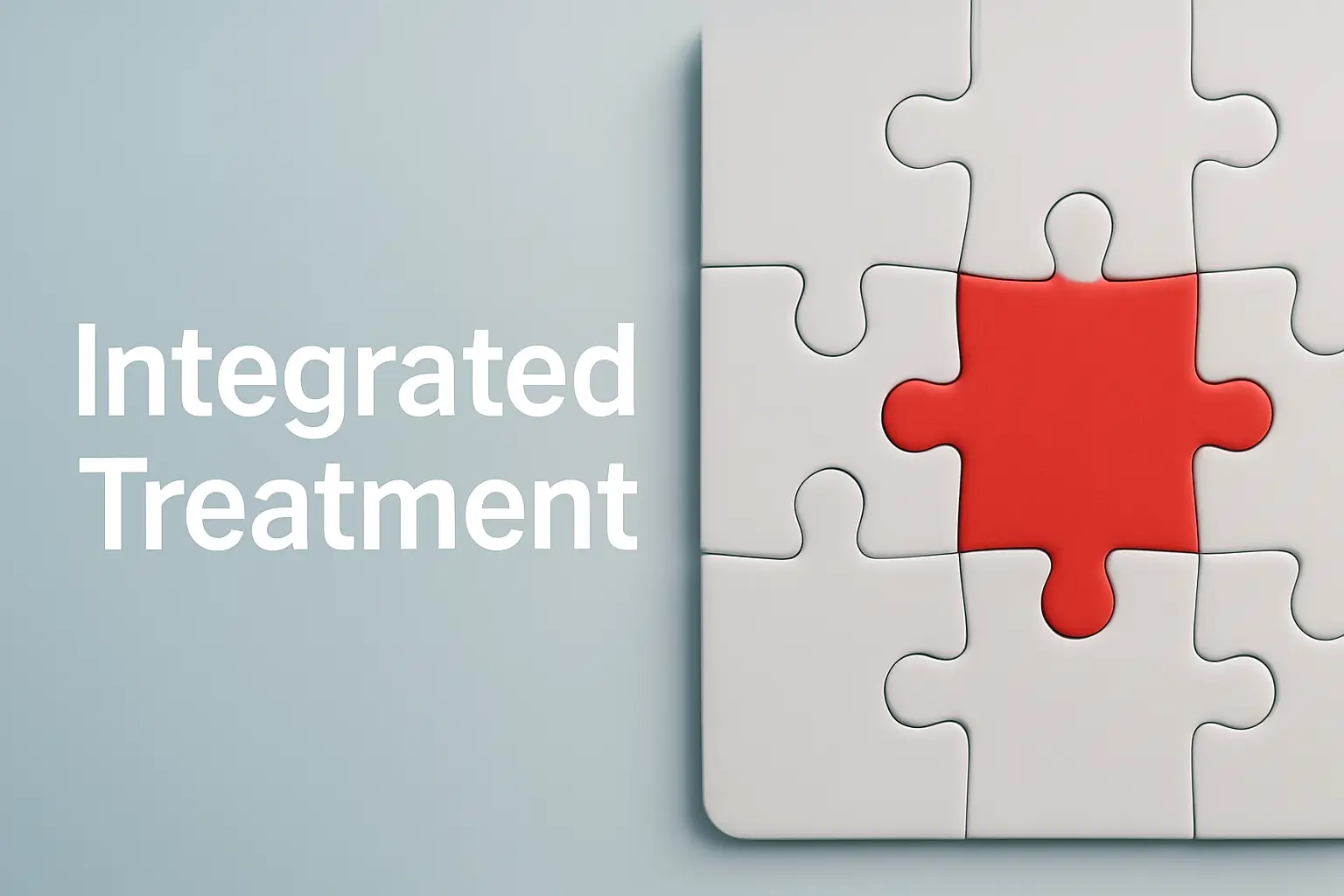
For decades, mental health and addiction were treated in separate buildings, by separate teams, with completely different rulebooks. If you struggled with depression and also drank to cope, you were often told to “get sober first” and then come back for your mental health. It’s like trying to fix two leaks in a boat by only patching one—you’re still going to sink.
Integrated treatment tosses that broken model overboard. It means one team, one treatment plan, and one location address everything at the same time. This isn’t a new-age idea; it’s a clinical necessity. In 2022, a staggering 21.5 million adults in the U.S. had both a mental illness and a substance use disorder. (Source: SAMHSA, 2023-10). Treating them together isn’t a specialty; it’s the only way that makes sense.
AMFM Healthcare was built entirely on this principle. Their whole system is designed to untangle the threads of anxiety, trauma, depression, and substance use simultaneously, because that’s how you experience them: all at once.
Pillar 1: Dual Diagnosis Is the Standard, Not the Exception
At many facilities, “dual diagnosis” is an extra program you might qualify for. At AMFM Healthcare, it’s the default setting. They start from the assumption that if you’re struggling this much, there are probably multiple things going on. Their clinical teams are cross-trained in both mental health and addiction, so your therapist doesn’t need to call an “addiction specialist” for a consult. The person leading your group on trauma is the same expert who understands relapse prevention.
I once worked with a client whose treatment for anxiety kept failing. It turned out nobody had seriously addressed that he was “medicating” his social anxiety with alcohol. By treating both the anxiety disorder and the alcohol use as two sides of the same coin, he finally found his footing. That’s a normal Tuesday at AMFM. No one falls through the cracks between departments, because the departments don’t exist.
Eligibility Checklist: Is Residential Treatment a Fit?
This type of immersive care is often best when outpatient options haven’t been enough. Check your eligibility in 60 seconds.
- Daily life is unmanageable: Are symptoms from depression, anxiety, or substance use making it hard to work, parent, or function? (Yes/No)
- Outpatient care isn’t enough: Have weekly therapy sessions or IOP failed to create lasting change? (Yes/No)
- You need a safe environment: Is your current living situation stressful, triggering, or unsafe for recovery? (Yes/No)
- A co-occurring condition exists: Are you dealing with both a mental health diagnosis and substance use? (Yes/No)
- You require medical supervision: Do you need 24/7 support for stabilization or medication management? (Yes/No)
Next Step: If you answered “Yes” to two or more, a confidential call to discuss your specific situation with an admissions coordinator is a logical next step. Confirm your needs on the provider’s official page.
Pillar 2: Truly Personalized Treatment Plans (Not Templates)
The phrase “personalized treatment” is plastered on every brochure in the industry. At AMFM, it’s a structural reality. When you arrive, you go through a deep-dive assessment covering everything: your mental health history, medical background, family dynamics, past trauma, and what you actually want to get out of this. This isn’t a 20-minute intake form; it’s the architectural blueprint for your recovery.
This means your weekly schedule might look totally different from the person in the next room. If your core struggle is trauma, your plan will be rich with EMDR and somatic therapies. If it’s a mood disorder, the focus will be sharp on DBT and psychiatric care. The point is to give you the right therapies, in the right amount, for you—not just what’s on the facility’s preset menu for the week.
- AMFM’s process starts with a deep diagnostic assessment, not a simple questionnaire.
- Your treatment plan is built from scratch, for you.
- Therapies are chosen based on your specific diagnosis and goals, not a rigid schedule.
Apply in 60 seconds: Before starting any treatment, write down your top three personal goals. Is it managing anxiety, fixing family relationships, or stopping substance use? Share this on day one.
Pillar 3: A Full Continuum of Care for Lasting Stability
Recovery isn’t a 30-day event; it’s a gradual process of stepping back into your life with new skills. One of the biggest reasons people relapse is the shock of going from a 24/7 structured program straight back to the chaos of everyday life. AMFM bridges that chasm with a full continuum of care, ensuring a smooth, supported “soft landing” back into the world.
Here’s what that looks like in practice:
- Residential Treatment: The most intensive level. A 24/7 environment where you can stabilize and focus completely on healing without distraction.
- Partial Hospitalization (PHP): A step-down where you attend a full day of therapy, 5-6 days a week, but can live at home or in sober living.
- Intensive Outpatient (IOP): Even more flexibility. Therapy sessions are 3-4 days a week, letting you ease back into work or school with support.
- Aftercare & Alumni Programs: Ongoing support groups and resources to keep you connected long after the formal program ends.
This step-down approach prevents the jarring transition that derails so many. Think of it like learning to swim: first with a life vest, then with a coach watching from the side of the pool, and finally on your own with the full confidence you’ve built.
The Path to Sustainable Recovery
24/7 structured support for stabilization & deep therapeutic work.
Full-day treatment while living at home or in transitional housing.
Part-time therapy (9-12 hrs/wk) to accommodate work or school.
Ongoing alumni groups and support to maintain long-term wellness.
Pillar 4: Evidence-Based Therapies That Go Beyond the Basics
Every treatment center offers some form of talk therapy. But complex conditions like PTSD, personality disorders, and deep-rooted depression often need more specialized tools. The clinical team at AMFM is trained in a wide range of advanced, scientifically-backed therapies designed to create real, lasting change.
While they are experts in foundational therapies like Cognitive Behavioral Therapy (CBT) and Dialectical Behavior Therapy (DBT), their toolbox also includes:
- EMDR (Eye Movement Desensitization and Reprocessing): A powerful therapy for processing traumatic memories that feel “stuck,” helping your brain file them away properly.
- Somatic Experiencing: A body-based approach to healing trauma by releasing the physical tension and stress where it’s stored.
- Transcranial Magnetic Stimulation (TMS): A non-invasive medical procedure that uses magnetic fields to gently stimulate nerve cells in the brain, proven to improve symptoms of depression.
- Experiential Therapies: This includes things like art, music, and equine therapy, which provide ways to heal and express yourself when words aren’t enough.
Show me the nerdy details
Dialectical Behavior Therapy (DBT) is particularly effective for individuals who struggle with emotional regulation, which is common in both mood disorders and substance use. It’s built on four key skill modules: Mindfulness (staying present), Distress Tolerance (getting through crises without making things worse), Emotion Regulation (understanding and managing emotions), and Interpersonal Effectiveness (communicating needs and maintaining relationships). Unlike standard CBT, DBT puts a heavy emphasis on validation—accepting where you are now—as a prerequisite for change.
Having this range means the team can find the right key to unlock healing for each person, instead of trying to force every lock with the same old key.
Short Story: Sarah had been in and out of therapy for years for her debilitating social anxiety. Talk therapy helped her understand her fears, but she’d still freeze up in real-world situations. During her stay at AMFM, she tried psychodrama. In a safe, guided group setting, she acted out a scenario that terrified her: a job interview. By physically and emotionally moving through the experience with support, something finally clicked. She wasn’t just talking about her fear; she was confronting it in her body. For her, that was the breakthrough that made all the difference.
Pillar 5: Holistic Wellness for Whole-Person Healing
You can’t heal your mind while ignoring your body. AMFM gets that mental wellness is deeply connected to physical health. Their programs integrate holistic practices to support recovery from the ground up. This isn’t just about feeling good; it’s about regulating your nervous system and building a healthy foundation for the rest of your life.
These holistic services are woven into the daily and weekly schedule, and often include:
- Nutritional Support: On-site chefs prepare delicious, balanced meals designed to stabilize your mood and energy. You learn firsthand how food affects how you feel.
- Yoga & Mindfulness: Gentle practices to reconnect mind and body, reduce stress, and learn to sit with difficult feelings without needing to run from them.
- Physical Activity: Access to gyms and outdoor activities helps burn off stress, improve sleep, and boost your brain’s natural mood-lifters.
- Gardening or Art Therapy: Creative, grounding outlets that offer a non-verbal way to process emotions and feel a sense of accomplishment.
This focus ensures you leave not just mentally stronger, but physically healthier and armed with self-care routines that will sustain you for years to come.
Pillar 6: Rebuilding Your Support System with Family and Community
Mental illness and addiction don’t happen in a vacuum. They deeply impact families and are, in turn, affected by those family dynamics. AMFM places a huge emphasis on family involvement as a critical piece of the puzzle. They offer dedicated family therapy sessions and workshops to help your loved ones understand what you’re going through and learn how to be a truly effective support system.
This process helps heal old wounds and improves communication. I’ve seen it transform relationships. A parent who once enabled their child out of fear learns how to set healthy boundaries out of love. A spouse who was full of resentment begins to understand the brain science of the disease and becomes a true partner in recovery.
The other half of this is peer support. Being in a community with others who just get it is incredibly powerful. The bonds you form in group therapy and shared living spaces create a built-in support network that often lasts a lifetime.
Pillar 7: A Safe and Dignified Healing Environment
The place where you heal matters. It’s incredibly hard to do vulnerable, difficult work in a place that feels cold, clinical, or institutional. AMFM’s facilities, whether in California, Virginia, Minnesota, or Washington, are designed to feel like comfortable, welcoming homes. This isn’t about luxury; it’s about creating a sense of safety and dignity that is essential for healing.
With amenities like cozy living rooms, private therapy spaces, pools, and peaceful gardens, the environment itself becomes part of the therapy. It sends a clear message: “You are worthy of care. You deserve a beautiful, calm place to heal.” This non-clinical setting helps people lower their defenses and engage more deeply in the process.
In their Southern California locations, for instance, the serene coastal landscapes are used intentionally. A walk on the beach or a quiet moment in the backyard can be just as important as a formal therapy session.
The Path to Sustainable Recovery: A Full Continuum of Care
Residential
24/7 structured support for stabilization & deep therapeutic work.
PHP
Full-day treatment while living at home or in transitional housing.
IOP
Part-time therapy (9-12 hrs/wk) to accommodate work or school.
Aftercare
Ongoing alumni groups and support to maintain long-term wellness.
The Reality of Dual Diagnosis
Prevalence in the U.S.
Adults in the U.S. had both a mental illness and a substance use disorder.
The Integrated Treatment Gap
Of adults with co-occurring disorders receive treatment for both conditions.
Find Your Path Forward
Healing is not just about stopping a behavior, it’s about building a new life. Hover or tap a card to see the solution.
Overwhelmed by Anxiety?
Find Calm & Clarity
Learn evidence-based tools like DBT and mindfulness to manage stress and regain control.
Weighed Down by the Past?
Heal at the Root
Advanced therapies like EMDR and Somatic Experiencing can process trauma and lift depression.
Stuck in a Cycle?
Break Free for Good
Integrated treatment addresses the ‘why’ behind the use, not just the symptoms.
Navigating Insurance and Costs at AMFM Healthcare
Let’s talk about the biggest hurdle for most people: the cost. Quality treatment is a significant investment, but it’s more accessible than many think. AMFM Healthcare is in-network with most major insurance providers, which dramatically reduces the out-of-pocket expense. Their team has over a decade of experience helping families make sense of their benefits.
Understanding Your In-Network Insurance Coverage for 2025
AMFM is an in-network provider for many large PPO and HMO plans. This often includes:
- Aetna
- Blue Cross Blue Shield (BCBS)
- Cigna
- Humana
- Optum
- United Healthcare
Being “in-network” is key. It means they have a pre-negotiated rate with your insurer, resulting in a much lower cost to you than an out-of-network facility. Your final cost will depend on your specific plan’s deductible, coinsurance, and out-of-pocket maximum.
Quote-Prep List: What to Gather Before Calling
Save 20-30 minutes on your verification call by having this information ready. Eligibility first, quotes second.
- Insurance Card: Have the physical card or a photo of the front and back. You’ll need the Member ID, Group Number, and the provider phone number.
- Patient’s Full Name and Date of Birth: Exactly as it appears on the insurance card.
- Primary Diagnosis (if known): Providing a diagnosis like “Major Depressive Disorder” or “Alcohol Use Disorder” helps the admissions team check for specific coverage.
- A Pen and Paper: Write down who you spoke to, the date, and a reference number for the call. Also note your deductible status and estimated out-of-pocket costs.
Next Step: With this info, the admissions team can typically verify your benefits within an hour and give you a clear estimate of your financial responsibility.
Decision Card: Insurance vs. Private Pay
When to Use Insurance
This is the best route for those with a strong PPO or in-network HMO plan, especially if you’re close to meeting your annual deductible. It maximizes the benefits you already pay for to cover the bulk of treatment costs.
Trade-off: It requires your insurance company’s approval (pre-authorization) and they may have a say in your length of stay based on their definition of “medical necessity.”
When to Consider Private Pay
This option offers maximum privacy and flexibility. You and your clinical team decide the length and type of treatment without any third-party oversight. It’s also the path for those without insurance or with high-deductible plans.
Trade-off: It means a higher initial out-of-pocket expense. AMFM can discuss payment plans and sliding scale options to make this more manageable.
Ask your provider for a written quote that includes all potential fees before making a final decision.
FAQ
What is the average length of stay at an AMFM facility?
There’s no “average,” because every person’s needs are different. Some clients stabilize and are ready for a step-down level of care in 30-45 days. Others with more complex trauma or co-occurring disorders may benefit from a 60-90 day stay. The clinical team makes recommendations based on your actual progress, not a rigid calendar.
Action: Ask the admissions coordinator what clinical milestones they look for when determining if someone is ready to transition to the next level of care.
What are the real costs after insurance? How much is the out-of-pocket?
This depends entirely on your specific insurance plan. The key numbers are your annual deductible (what you pay first), your coinsurance (the percentage you pay after the deductible), and your out-of-pocket maximum (the absolute most you’ll pay in a year). AMFM’s admissions team provides a free, no-obligation benefits check to give you a clear estimate.
Action: Call for the free insurance verification. It usually takes less than an hour and gives you the concrete financial numbers you need to plan.
Can my family visit or be involved in my treatment?
Yes, absolutely. Family involvement is strongly encouraged. AMFM facilitates regular family therapy sessions (often by video for out-of-state families) and provides educational workshops. On-site visits are usually arranged after an initial stabilization period, working with your therapist to make sure the timing is right.
Action: During intake, talk to the therapist about your family’s situation so you can create a communication and involvement plan together.
What should I pack for a residential stay?
Pack about a week’s worth of comfortable clothes, alcohol-free toiletries, any non-controlled medications you take in their original bottles, and a list of important phone numbers. It’s best to leave expensive jewelry or extra electronics at home. The center provides a detailed packing list before you arrive.
Action: Ask the admissions coordinator for the official “What to Bring” checklist before you start packing.
What happens if I complete the program but feel I need more support?
This is exactly what the aftercare plan is for. Before you leave, you and your case manager will create a detailed plan for your transition. This could mean stepping down to their IOP program, getting referrals to therapists in your hometown, and connecting you with AMFM’s alumni network for peer support. The goal is to make sure you have a safety net in place for the long haul.
Action: In your last week of treatment, make sure you have your first appointments scheduled with an outpatient therapist and psychiatrist before you discharge.
- AMFM Healthcare addresses the intertwined roots of mental health and substance use together.
- Their integrated model is the gold standard for anyone with a dual diagnosis.
- The entire system, from insurance verification to aftercare, is built to support you at every step.
Apply in 15 minutes: You are tired of the revolving door of treatment. Take the “Quote-Prep” list you gathered, find a quiet space, and make the confidential call. It’s just a conversation to get information—a first step, not a final commitment.
Choosing a treatment center is a huge decision, but you don’t have to figure it out alone. The AMFM difference is a compassionate, clinically sophisticated model that offers real, sustainable hope. By healing the roots of the problem—all of them, all at once—they help you build a foundation for a life that is not just about recovery, but about true fulfillment.
Last reviewed: 2025-10; Sources: SAMHSA National Survey on Drug Use and Health, AMFM Healthcare public data, The Joint Commission. amfm healthcare, dual diagnosis treatment, integrated mental healthcare, residential treatment center, co-occurring disorders
🔗 Medicare Part D Posted 2025-10-21 12:17 +00:00 🔗 Humana Part D 2025 Posted 2025-10-12 12:08 +00:00 🔗 COBRA for One Month to Cover Delivery Posted 2025-10-08 00:28 +00:00 🔗 Dopamine Detox Posted 2025-10-08 00:28 +00:00