
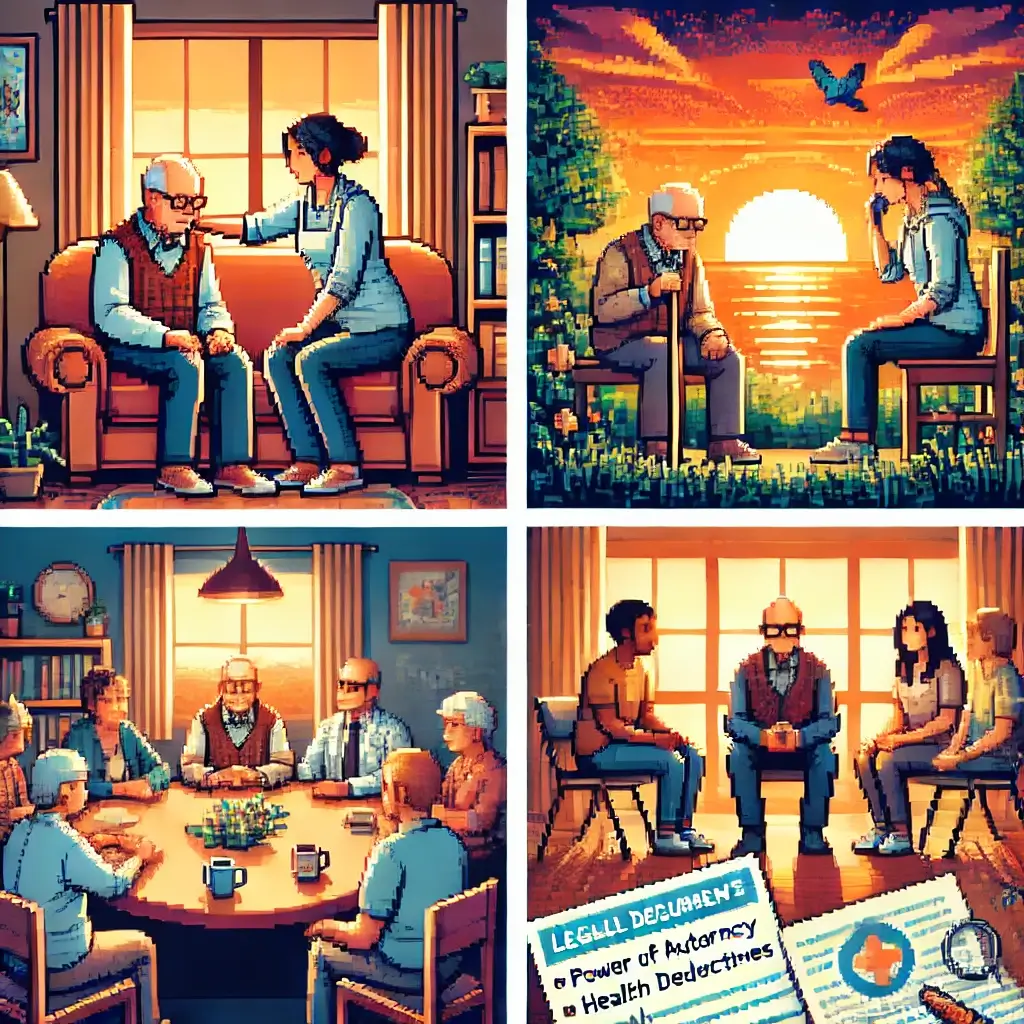
5 Crucial Steps for Caregivers of Early-Onset Dementia Patients: You Are Not Alone!
Being a caregiver for someone with early-onset dementia isn’t just a role; it’s a profound, often heart-wrenching, and incredibly demanding journey. And let’s be honest, it feels like it sneaks up on you, doesn’t it? One minute you’re living life, and the next, you’re trying to piece together fragmented memories and navigate a reality that’s constantly shifting. If you’re reading this, chances are you’re right in the thick of it, or perhaps just starting to feel the weight. My heart goes out to you. I’ve been there, or rather, I’ve walked alongside many who have. It’s a road paved with love, yes, but also with exhaustion, grief, and often, a profound sense of isolation. But here’s the thing I want you to grasp immediately: you are absolutely not alone in this.
Early-onset dementia, which typically refers to cases diagnosed before the age of 65, throws a different kind of curveball. It often strikes individuals in the prime of their lives—when they might still be working, raising families, or planning for retirement. This means the implications for finances, family dynamics, and future plans can be even more complex and devastating. It’s not just about managing symptoms; it’s about re-imagining a future that was once so clear.
We’re going to dive deep into how you can find the support you desperately need, both for the person you’re caring for and, just as importantly, for yourself. Think of this as a conversation with a seasoned friend who genuinely gets it, a roadmap to help you navigate this complex terrain. We’ll cover everything from practical strategies to emotional resilience, all with the aim of helping you not just survive, but truly live, even in the midst of this challenge.
—
Table of Contents
—
Understanding Early-Onset Dementia: What Are We Up Against?
Before we talk about support, let’s briefly touch on what we’re dealing with here. Early-onset dementia isn’t a single disease; it’s an umbrella term that encompasses several types of dementia, including Alzheimer’s disease, frontotemporal dementia (FTD), vascular dementia, and Lewy body dementia, among others, when they appear in younger individuals. What makes it so particularly challenging is that the symptoms can often be misdiagnosed initially, leading to delays in getting the right care.
Imagine someone in their 50s, perhaps still working, and suddenly they’re struggling with words, getting lost on familiar routes, or exhibiting uncharacteristic changes in personality. It’s easy to brush off as stress, mid-life crisis, or even depression. But these subtle changes can be the early whispers of a storm. The insidious nature of it is that it often affects individuals who are still very active and vital, making the decline even more jarring for everyone involved.
Each type of early-onset dementia has its own unique characteristics, which means the care approach needs to be tailored. For instance, FTD often presents with significant behavioral or personality changes before memory issues become prominent, while early-onset Alzheimer’s might mimic typical Alzheimer’s but progresses differently. Understanding the specific type, if possible, can help you anticipate challenges and plan accordingly.
—
The Shock of Diagnosis: What Comes Next?
That moment of diagnosis… it hits like a ton of bricks, doesn’t it? Even if you suspected it, hearing it confirmed can send your world spiraling. It’s a profound loss, not just of the person as they once were, but of the future you envisioned together. Allow yourself to feel that grief. It’s valid. It’s necessary. Don’t let anyone tell you otherwise, and certainly don’t tell yourself to “just be strong.”
Once the initial shock begins to subside, the questions start flooding in. “What now? How will we manage? Who do I even talk to?” It’s overwhelming, and that’s perfectly normal. Your first step, after taking a deep breath (or a hundred deep breaths), is to gather information. The more you understand about the specific diagnosis, the better equipped you’ll be to advocate for your loved one and plan for the future.
Don’t be afraid to ask your medical team every single question that comes to mind, no matter how trivial it might seem. Write them down. Bring a trusted friend or family member to appointments to take notes, because honestly, in those moments, it’s hard to retain everything. Get a clear understanding of the prognosis, potential treatments (though for most dementias, these are more about managing symptoms than curing the disease), and what to expect in the coming months and years. Knowledge truly is power in this situation, not because it makes it easier, but because it helps you regain a sense of control.
—
Navigating the Practicalities: Day-to-Day Care Strategies
Alright, let’s get down to the nitty-gritty of daily life. This is where the rubber meets the road, and often, where caregivers feel the most drained. Caring for someone with early-onset dementia isn’t just about managing appointments; it’s about adapting every aspect of their environment and routines to support their changing abilities.
Routines are Your Best Friend (and Theirs!)
Dementia thrives on confusion, so predictable routines can be a lifesaver. Try to establish consistent times for waking up, meals, activities, and bedtime. This familiarity provides a sense of security and can reduce anxiety and agitation. Think of it like a carefully choreographed dance; the more consistent the steps, the smoother the performance.
Simplify, Simplify, Simplify
As cognitive abilities decline, everyday tasks become monumental. Break down complex tasks into smaller, manageable steps. For example, instead of saying, “Go get dressed,” try, “First, pick out your shirt,” then “Now put on your pants.” Use visual cues whenever possible. Labels on drawers, pictures for tasks, or even color-coded items can make a world of difference. Remember, frustration often stems from confusion.
Communication is Key (But It Changes)
Communicating with someone with dementia requires patience and adaptation. Speak slowly and clearly, use simple sentences, and maintain eye contact. Avoid asking open-ended questions that require complex thought. Instead of “What do you want for dinner?”, try “Do you want chicken or fish?” Be prepared for repetition, and don’t correct them constantly, as this can lead to frustration and embarrassment. Sometimes, a gentle distraction is more effective than a direct confrontation.
Safety First, Always
As the disease progresses, safety becomes paramount. This means making your home as safe as possible. Think about removing tripping hazards, securing medications and hazardous chemicals, and considering locks on doors if wandering becomes an issue. Consider installing alarms on doors or windows. It’s about finding that delicate balance between maintaining their independence and ensuring their well-being.
Engage and Adapt Activities
Just because someone has dementia doesn’t mean they can’t enjoy life. Tailor activities to their current abilities and past interests. If they loved gardening, maybe they can still pot a few plants. If they enjoyed music, put on their favorite tunes. Even simple activities like folding laundry or looking at old photo albums can provide engagement and a sense of purpose. The goal isn’t perfection; it’s connection and enjoyment.
—
The Emotional Rollercoaster: Coping with Grief and Burnout
This is where it gets real. Beyond the practical duties, the emotional toll on caregivers is immense. You’re grieving the slow loss of someone you love, even while they’re still physically present. This is often referred to as “ambiguous loss,” and it’s incredibly complex. You might feel anger, sadness, guilt, resentment, and profound loneliness, sometimes all within the same hour. And let’s not forget the ever-present threat of burnout.
Acknowledge Your Grief
You are allowed to mourn. You are losing a partner, a parent, a sibling, or a friend, piece by piece. This grief is unique and often misunderstood by those who haven’t experienced it. Don’t bottle it up. Find a safe space to express these feelings, whether it’s with a trusted friend, a therapist, or a support group.
Combat Guilt
Oh, the guilt! It’s an insidious beast that creeps in, telling you you’re not doing enough, or that you’re somehow failing. Let me tell you, you are doing your absolute best under incredibly difficult circumstances. There will be good days and bad days. There will be moments of frustration. That doesn’t make you a bad caregiver; it makes you human. Acknowledge the guilt, understand where it comes from, and then consciously let it go. You deserve kindness, especially from yourself.
Beware of Burnout
Burnout isn’t just feeling tired; it’s an emotional, mental, and physical exhaustion that can severely impact your health and ability to care. Symptoms include chronic fatigue, irritability, feelings of hopelessness, changes in appetite or sleep, and withdrawal from social activities. If you’re experiencing these, it’s a flashing red light telling you to step back and seek help. Ignoring it only makes things worse for everyone involved.
Find Healthy Coping Mechanisms
What helps you de-stress? Is it exercise, listening to music, meditation, talking to a friend, or indulging in a hobby? Make time for these activities, even if it feels impossible. Even 15 minutes of something just for you can make a difference. It’s not about escaping; it’s about replenishing your well of resilience.
—
Building Your Support System: Who’s Got Your Back?
You simply cannot do this alone. It’s unsustainable, unhealthy, and frankly, unnecessary. Building a robust support system is not a luxury; it’s a fundamental requirement for long-term caregiving. Think of it like building a sturdy house; you need a strong foundation and many different types of beams to hold it up.
Family and Friends: The First Line of Defense
Don’t be afraid to ask for help from loved ones. People often want to help but don’t know how. Be specific! Instead of “I need help,” try “Could you sit with Mom for an hour next Tuesday so I can get groceries?” or “Would you mind preparing a meal for us once a week?” Delegating tasks, even small ones, can significantly lighten your load.
Support Groups: Your Tribe Who Gets It
This is, in my opinion, one of the most invaluable resources. Being in a room with others who genuinely understand what you’re going through is incredibly validating. You can share your frustrations without judgment, get practical advice, and realize you’re not crazy for feeling what you’re feeling. Look for local or online support groups specifically for dementia caregivers. The Alzheimer’s Association often has excellent programs.
Professional Help: Therapists and Counselors
Sometimes, talking to someone outside your immediate circle is exactly what you need. A therapist or counselor specializing in grief or caregiver stress can provide strategies for coping, help you process your emotions, and offer an objective perspective. There’s no shame in seeking professional mental health support; it’s a sign of strength and self-awareness.
Respite Care: A Breath of Fresh Air
Respite care provides temporary relief for primary caregivers. This can range from a few hours a week to several days. It might be in-home care, adult day services, or even a short stay in a residential facility. Use it! Even a short break can recharge your batteries and prevent burnout. Think of it as hitting the reset button before you crash.
—
Legal and Financial Planning: Protecting Their Future (and Yours)
This isn’t the most glamorous part of caregiving, but it’s absolutely critical, especially with early-onset dementia. You need to act while the individual still has the capacity to make decisions and express their wishes. If you wait too long, it can become incredibly complicated and stressful.
Power of Attorney: Healthcare and Financial
These documents designate someone (you, ideally) to make healthcare and financial decisions on behalf of your loved one when they are no longer able to. This is paramount. Without it, you might find yourself unable to pay bills, access medical records, or make crucial care decisions. Consult an elder law attorney to ensure these are properly set up according to your state’s laws.
Wills and Trusts: Estate Planning
Ensure their will is up-to-date and reflects their current wishes. A trust might also be beneficial for managing assets and ensuring a smooth transition of wealth without going through probate. Again, this is lawyer territory. Don’t try to navigate this alone.
Advance Directives and Living Wills
These documents outline their wishes regarding medical treatment, especially end-of-life care. Having these in place can alleviate immense stress and guilt when difficult decisions need to be made, as you’ll be honoring their stated preferences.
Financial Assessment and Benefits
Get a clear picture of all assets, income, insurance policies (long-term care insurance, if they have it!), and debts. Explore potential government benefits or assistance programs that might be available for individuals with dementia and their caregivers. This could include Medicaid, veteran’s benefits, or state-specific programs. This is where an elder law attorney or a financial advisor specializing in long-term care can be an invaluable guide.
—
Prioritizing Self-Care: Why It’s Not Selfish, It’s Essential
I know, I know. Self-care sounds like a luxury you can’t afford right now. But let me be blunt: if you don’t take care of yourself, you won’t be able to take care of anyone else. Period. Think of yourself as the engine of a car. If the engine breaks down, the car stops. Your well-being directly impacts the quality of care you can provide.
It’s Not Selfish, It’s Sustainable
You can’t pour from an empty cup. Seriously. Imagine trying to run a marathon without ever stopping for water. You’d collapse. Caregiving is a marathon, not a sprint. Replenishing your physical, emotional, and mental reserves is not a treat; it’s a necessary maintenance task.
Small Moments Matter
Self-care doesn’t have to be a grand gesture. It could be taking a 15-minute walk, listening to your favorite podcast while doing dishes, enjoying a hot cup of coffee in silence, or calling a friend just to vent. Even micro-breaks can accumulate and make a significant difference. Don’t wait for the perfect moment; create small moments of peace throughout your day.
Boundary Setting: Your Invisible Shield
This is tough, but crucial. Learn to say no. No to extra commitments, no to well-meaning but draining visitors, no to tasks that aren’t absolutely essential. Set boundaries with your loved one too, where appropriate and safe. It’s about protecting your energy and sanity. Remember, “No” is a complete sentence.
Stay Connected
Isolation is a huge danger for caregivers. Make an effort to maintain connections with friends and family, even if it’s just a quick phone call or video chat. Don’t let caregiving consume your entire identity. You are still you, and those relationships nourish your soul.
—
Reliable Resources and Where to Find Them
Okay, so you’ve got the mental framework. Now, let’s talk about where to find the concrete help. These organizations are pillars of support and information for dementia caregivers. Please explore them; they are there to help you. Visit the Alzheimer’s Association
The **Alzheimer’s Association** is often the first stop for anyone dealing with dementia. They offer a wealth of information on all types of dementia, support groups, a 24/7 helpline, and advocacy. Their website is incredibly comprehensive and user-friendly, providing guidance on everything from understanding the disease to legal planning and self-care for caregivers. They are a true lifeline for millions. Explore NIH’s Early-Onset Dementia Information
The **National Institute on Aging (NIA)**, part of the National Institutes of Health, provides evidence-based information on early-onset Alzheimer’s and other dementias. Their resources are often rooted in the latest research, offering reliable, in-depth explanations of symptoms, diagnosis, treatment options, and ongoing studies. It’s a fantastic resource if you’re looking for scientific clarity and trusted health information. Find Support at the Family Caregiver Alliance
The **Family Caregiver Alliance** is a national center on caregiving that offers programs and services for caregivers of adults with chronic health conditions, including dementia. They provide direct support services, public policy advocacy, and research. They focus on the broader caregiver experience, offering insights into financial planning, legal issues, and emotional support, making them a comprehensive resource for the often-overlooked caregiver. Discover Dementia.org
**Dementia.org** is another valuable resource that provides practical tools and information for individuals living with dementia and their caregivers. They offer articles, tips, and personal stories that can provide both practical advice and a sense of community. Their focus on practical strategies can be particularly helpful for navigating daily challenges.
—
Remember This Above All Else…
Caring for someone with early-onset dementia is one of the hardest things you will ever do. It’s a role that demands incredible resilience, patience, and love. But please, never forget that your well-being is just as important as the person you’re caring for. Seeking support, setting boundaries, and allowing yourself to grieve are not signs of weakness; they are acts of profound strength and self-preservation.
Lean on your support system, explore the resources available, and be incredibly kind to yourself. You are navigating an incredibly difficult path, and every step you take, no matter how small, is a testament to your unwavering commitment. You’ve got this, and you don’t have to do it alone.
—
Early-Onset Dementia, Caregiver Support, Family Caregiving, Dementia Resources, Self-Care