
5 Simple Ways to Boost Your Iron Levels as a Vegetarian
Hey everyone,
Have you ever felt like you’re running on fumes? That heavy, leaden feeling in your limbs, the constant need for a nap, and a brain that just won’t seem to fire on all cylinders? I remember a time not too long ago when that was my everyday reality. I’d drag myself out of bed in the morning, convinced I hadn’t slept at all, and by the afternoon, the world would start to feel a little fuzzy around the edges. I chalked it up to being a busy mom and a full-time writer, but deep down, I knew something wasn’t right. It turns out, my energy crisis wasn’t a lack of sleep—it was a severe case of iron deficiency. And as a long-time vegetarian, my doctor explained, it was a surprisingly common culprit.
When you’re committed to a plant-based lifestyle, you’re making a fantastic choice for the planet and your health in so many ways. But let’s be real, it’s not always a walk in the park. One of the biggest challenges we face is getting enough **iron**, a mineral that’s absolutely vital for our bodies. Think of iron as the tiny, tireless mail carrier in your bloodstream, delivering oxygen to every single cell. Without enough of it, everything slows down. Your muscles feel weak, your brain gets foggy, and you start to feel like a phone running on 1% battery all day long. For me, the a-ha moment came when I realized my craving for leafy greens and beans was my body’s way of screaming for help.
I know many of you are in the same boat. You’re trying to do right by your body and the planet, but you’re worried about things like iron deficiency. Maybe you’ve heard the old myths that vegetarians can’t get enough iron, or perhaps you’ve been feeling those tell-tale symptoms yourself. I want to tell you, from one plant-powered person to another, that it’s not only possible to get all the iron you need on a vegetarian diet—it’s actually pretty straightforward once you know the tricks. This isn’t about giving up your principles or forcing yourself to eat something you don’t enjoy. It’s about empowering you with the knowledge to thrive, not just survive.
—
Table of Contents
—
Understanding Iron Deficiency as a Vegetarian
Let’s clear the air right away. The main reason vegetarians can be prone to iron deficiency isn’t that plant foods don’t have iron; it’s because of the *type* of iron they contain. There are two kinds of dietary iron: **heme iron** and **non-heme iron**. Think of heme iron as the VIP guest—it’s found in animal products like meat and fish, and your body absorbs it with a red carpet welcome. Non-heme iron, on the other hand, is the general admission ticket. It’s in all plants—beans, lentils, spinach, nuts—but it’s a bit harder for your body to absorb. That’s why simply eating iron-rich vegetables isn’t always enough. You need a strategy, a game plan, to make sure you’re getting the most out of every single bite.
I learned this the hard way. For years, I just assumed that as long as I was eating spinach, I was good. But my energy levels told a different story. It wasn’t until I started to see my diet less like a list of ingredients and more like a carefully orchestrated symphony that things changed. Each food had a role to play, and when they worked together, the result was magic. It’s about synergy, not just simple addition. It’s the difference between trying to paddle a canoe with your hands versus using a proper paddle; one is exhausting and inefficient, the other is effortless and gets you where you need to go.
Symptoms of iron deficiency can be sneaky. For me, it started with general fatigue and a perpetual foggy brain. Then came the brittle nails and hair that seemed to shed everywhere. Other people might experience shortness of breath, a fast heart rate, or even restless leg syndrome. If any of this sounds familiar, please, do yourself a favor and talk to your doctor. A simple blood test can tell you exactly where you stand. Knowledge is power, and knowing your numbers is the first step toward feeling like yourself again. —
The Iron-Rich Foods Every Vegetarian Needs in Their Kitchen
Before we dive into the strategies, let’s stock your pantry. This isn’t just about grabbing a can of beans and calling it a day. We’re talking about a vibrant, delicious array of foods that are packed with the iron you need. Think of this as your personal grocery list for feeling fantastic. I’m talking about foods that aren’t just good for you, but that you’ll actually enjoy eating.
Lentils and Beans: A true powerhouse. Lentils, chickpeas, kidney beans, and black beans are your best friends. They’re affordable, versatile, and loaded with iron. I love making a big batch of lentil soup on Sunday nights—it’s comfort food that’s also a nutritional powerhouse.
Dark, Leafy Greens: This one’s a no-brainer. Spinach, kale, and Swiss chard are packed with iron. My trick? I throw a massive handful of spinach into everything—smoothies, pasta sauces, stir-fries. It wilts down to almost nothing, and you won’t even know it’s there.
Tofu and Tempeh: Plant-based proteins that are also fantastic sources of iron. Tofu is a blank canvas, ready to soak up any flavor. Tempeh has a nuttier, firmer texture that’s great in stir-fries and sandwiches. They are staples in my fridge.
Nuts and Seeds: Pumpkin seeds, sesame seeds (tahini!), cashews, and almonds are great for snacking or adding to meals. A handful of pumpkin seeds on your salad is an easy way to sneak in some extra iron.
Whole Grains: Quinoa, oats, and fortified cereals are excellent sources of iron. A bowl of oatmeal in the morning is a fantastic way to start your day on the right foot.
—
Strategy 1: Mastering the Art of Iron Combination
This is where the magic happens. Think of your plate not as a collection of individual foods, but as a team working together. The most important rule for boosting your non-heme iron absorption is to pair it with a source of **Vitamin C**. Vitamin C is the ultimate wingman; it grabs onto that non-heme iron and makes it so much easier for your body to absorb. This simple trick is a total game-changer.
I started doing this almost instinctively, and the difference was palpable. Instead of just eating a plain black bean burger, I’d top it with some fresh salsa made with tomatoes and peppers (both high in Vitamin C). My lentil soup now always has a squeeze of lemon juice stirred in at the end. My morning oats are topped with berries. It’s not about overhauling your diet, it’s about making these small, intelligent tweaks. It’s like adding a turbocharger to your car; you’re just making the engine you already have work so much more efficiently.
Need some ideas? Here are a few combinations I swear by:
Spinach salad with strawberries and a citrus vinaigrette.
Lentil soup with a side of steamed broccoli.
Iron-fortified cereal with orange slices.
Hummus (made from chickpeas) with bell pepper strips for dipping.
This is my favorite strategy because it’s not about adding something new, but about making your existing meals work harder for you. It’s a no-muss, no-fuss approach that just makes sense. You can feel the difference, I promise. —
Strategy 2: The Power of Cooking Iron-Rich Foods in Cast Iron
This might sound like a kitchen myth, but trust me, it’s not. Cooking in a **cast-iron skillet** can actually leach small amounts of iron directly into your food. It’s like a secret bonus round for your meals! My grandma swore by her cast-iron pan for everything from cornbread to stir-fries, and now I know why. It’s not just for a great sear on your vegetables; it’s a tiny, silent hero for your iron intake.
The acidic foods you cook in it, like tomato sauce, are especially good at pulling out that extra iron. So, when I make my vegetarian chili, it’s always in my trusty cast-iron pot. Not only does it taste incredible, but I know I’m getting a little extra boost of iron with every spoonful. It’s a simple, passive way to increase your intake without even thinking about it. A real set-it-and-forget-it kind of strategy. If you don’t have a cast-iron skillet, I highly recommend getting one. They last forever and can truly transform your cooking and your health. They are a bit like the heirloom of the kitchen, passed down from one generation to another, and now I understand why. It’s because they’re not just a pan; they’re an investment in your well-being.
—
Strategy 3: Soaking, Sprouting, and Fermenting for Better Iron Absorption
This is where we get a little nerdy, but trust me, it’s worth it. Many plant foods, especially legumes and grains, contain something called **phytic acid**. Think of phytic acid as a tiny little bodyguard that clings to minerals like iron, making it tough for your body to absorb them. It’s not a villain, just a natural defense mechanism of the plant. But we can outsmart it! Simple preparation techniques can dramatically reduce phytic acid and unlock all that wonderful iron.
I started with a simple tip: soaking my beans overnight. Before I did this, I would get a little gassy from time to time, and now I know that was a sign my body was struggling to process them. Soaking beans, lentils, and grains like quinoa and oats for several hours before cooking helps to break down that phytic acid. Sprouting them takes it a step further. You can buy sprouted lentils and beans at many health food stores, or you can do it yourself at home—it’s a fun little kitchen science experiment! Fermented foods like tempeh are also a fantastic choice, as the fermentation process naturally reduces phytic acid content.
I’ve noticed a real difference in my digestion since I started paying attention to this. It’s like my stomach is thanking me. This strategy isn’t just about getting more iron; it’s about making your entire digestive system happier and more efficient. It’s about giving your body a little helping hand to do its job. It’s the difference between trying to break a rock with your bare hands and using a hammer. The hammer (soaking and sprouting) makes the job so much easier. —
Strategy 4: The Secret Weapon for Iron-Rich Vegetarian Meals: Vitamin C
I know I mentioned it before, but this one is so important it deserves its own section. Vitamin C is not just for preventing colds; it’s your body’s best friend when it comes to absorbing iron. This is the single most powerful tool in your vegetarian toolkit. Think of it as the magic key that unlocks the door to iron absorption. It turns non-heme iron from a reluctant guest into a welcome visitor in your body. It’s so simple, yet so effective.
I used to think of my meals in terms of protein, carbs, and fats. Now, I see them as a symphony of nutrients. I’ll ask myself, “Where’s the Vitamin C in this meal?” It’s not about making a huge fuss; it’s about a simple mental checklist. A handful of bell peppers on my pasta, a sprinkle of fresh parsley on my soup, or a side of steamed broccoli with my veggie burger. These small additions can make a huge impact. Don’t just eat your iron-rich foods; give them a little Vitamin C boost. This is a hack that will truly change how your body utilizes the nutrients you’re already consuming. It’s the equivalent of putting a high-performance engine in your car—suddenly, everything works better and faster.
This is the kind of tip that makes you feel like you’re in on a secret. And the best part? Vitamin C is in so many delicious foods. Citrus fruits, strawberries, kiwis, bell peppers, broccoli, and tomatoes are all bursting with it. So, go ahead, make your food more colorful and more delicious. Your body will thank you.
—
Strategy 5: Knowing What to Avoid for Optimal Vegetarian Iron Intake
Just as some things help, others can hinder. This isn’t about restriction; it’s about being smart. Certain foods and drinks can get in the way of iron absorption. The two biggest culprits are **tannins** and **calcium**. Tannins are compounds found in coffee and black tea, and they can act like a roadblock, preventing your body from absorbing iron. I love my morning coffee as much as the next person, but I’ve learned to be strategic about when I drink it. I now have my coffee at least an hour before or after my main meals. It’s a simple adjustment that makes a world of difference.
I used to drink a cup of black tea with my breakfast every morning, which was full of iron-rich oatmeal and fruit. I was unknowingly sabotaging my efforts! Now, I have my tea or coffee as a mid-morning or mid-afternoon treat, separate from my meals. It’s a small change, but it ensures my body can make the most of the nutrients I’m consuming.
The same goes for calcium. While calcium is incredibly important for bone health, it can also interfere with iron absorption. This doesn’t mean you should avoid calcium-rich foods. Absolutely not! It just means you should be mindful of the timing. Try not to have large amounts of dairy (if you consume it) or calcium-fortified plant milks at the exact same time as your iron-rich meals. A calcium-rich smoothie is great as a snack, but maybe not right alongside your lentil salad. It’s all about timing and balance, not elimination. It’s like having two important meetings scheduled at the same time—you have to choose one to be the priority. In this case, your body needs to prioritize absorbing iron, so you let it have the floor first before introducing other elements.
It’s about having an awareness of how different foods interact in your body. This is the kind of wisdom that comes from experience, from listening to your body, and from a little bit of research. This isn’t about being perfect; it’s about being smart and giving your body the best possible chance to thrive.
—
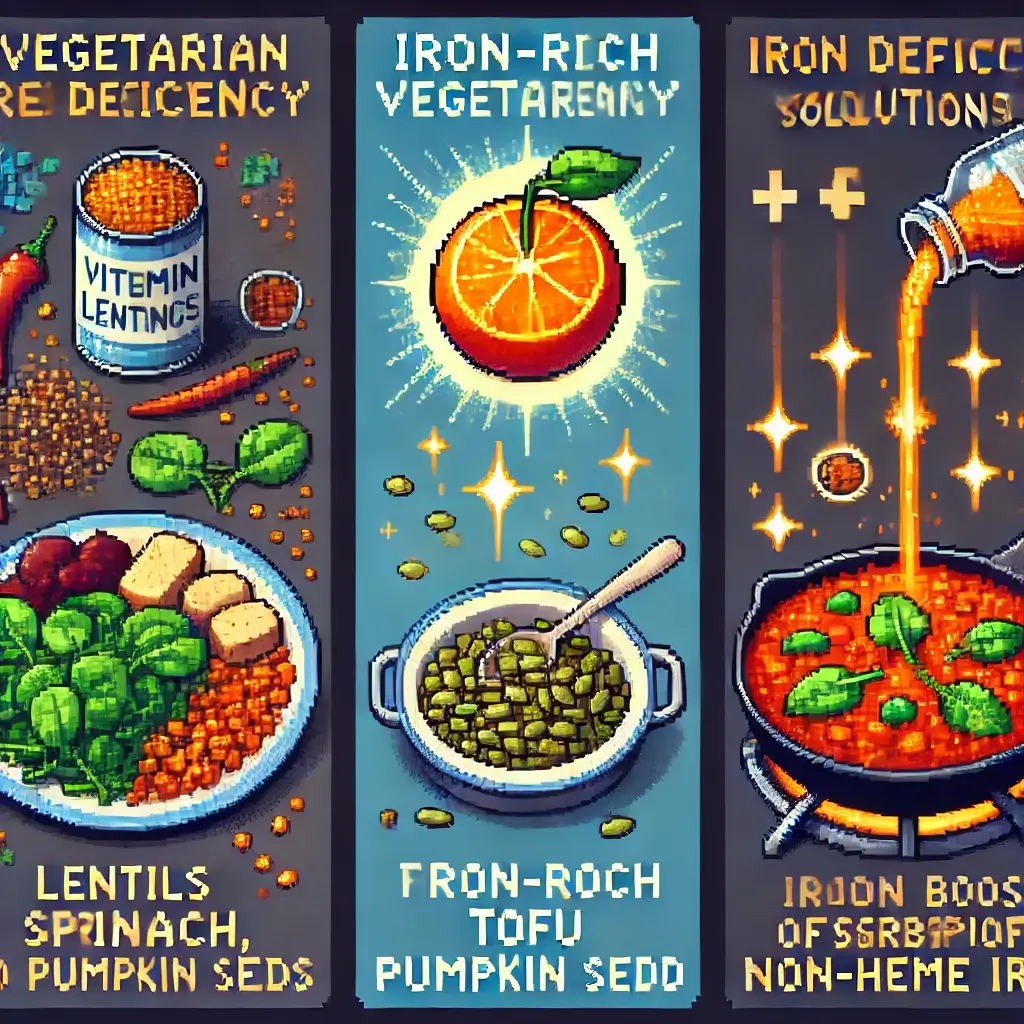
Infographic: Your Visual Guide to Vegetarian Iron Intake
A quick visual guide to help you remember the key strategies we’ve discussed. Save this to your phone or pin it to your fridge for a quick and easy reminder!
This infographic is a perfect cheat sheet. It’s a visual reminder of how simple these strategies really are. No complicated recipes, no weird ingredients—just smart, easy-to-implement changes that can make a huge difference in how you feel every day. It’s about turning knowledge into action, and this is your first step. —
FAQs: Your Iron Questions Answered
I get a lot of questions about this topic, so I wanted to address some of the most common ones here. This is a space for us to clear up any lingering doubts and empower you with even more knowledge.
Q: Do I need to take an iron supplement?
A: It depends. I am not a doctor, and this is not medical advice. However, many people can meet their iron needs through diet alone. If you’re diagnosed with a deficiency, your doctor may recommend a supplement. It’s always best to consult a healthcare professional before starting any new supplement regimen. Remember, more isn’t always better, and too much iron can also be harmful. Your doctor can help you find the right balance.
Q: Is spinach really the best source of iron?
A: While spinach does contain a good amount of iron, it also has a high level of oxalates, which can interfere with absorption. This doesn’t mean you should avoid it; it just means you shouldn’t rely solely on it. The key is to eat a variety of iron-rich foods and, most importantly, to pair them with Vitamin C. Think of spinach as a team player, not a solo superstar.
Q: What are the best snacks for vegetarians with iron deficiency?
A: This is a great question! Snacks are a perfect opportunity to get in some extra iron. A handful of pumpkin seeds, a trail mix with almonds and cashews, or roasted chickpeas are all fantastic choices. You could also make a quick smoothie with a handful of spinach and a cup of strawberries. It’s all about making those little snack moments count.
Q: How long does it take to see an improvement in my iron levels?
A: It varies from person to person. If you’re diagnosed with a deficiency and are making dietary changes or taking a supplement, you might start to feel a difference in a few weeks as your energy levels improve. However, it can take months to fully replenish your iron stores. Consistency is key. Be patient with your body and celebrate the small wins along the way.
Q: Are there any other foods I should be mindful of besides coffee and tea?
A: Yes, some sources of **zinc** and **manganese** can also interfere with iron absorption, though usually not to the same degree as calcium and tannins. The rule of thumb is to not consume high doses of these minerals at the same time as your iron-rich meals. For the average person on a balanced vegetarian diet, this isn’t usually a major concern, but it’s good to be aware of. The best approach is to eat a wide variety of foods and not rely too heavily on a single source of any nutrient.
Feeling tired and run down is not a normal part of life, and it’s definitely not a prerequisite for being a vegetarian. Your body is capable of amazing things, and with a little bit of knowledge and a few simple adjustments, you can give it the fuel it needs to thrive. I know how challenging it can be to navigate the world of nutrition, especially when you’re trying to do the right thing. But I hope this post has shown you that it’s not a mountain you have to climb alone. With these simple strategies, you can turn your iron deficiency concerns into a thing of the past and start feeling the vibrant energy you deserve.
Don’t just take my word for it; check out these resources for more in-depth information. They helped me immensely on my journey, and I know they’ll be valuable for you, too.
WebMD’s Guide to Iron-Rich Foods
A Study on Vegetarian Diets and Iron Intake
Dietitians of Canada on Iron for Vegetarians
Final thoughts: It’s not about being perfect, it’s about being mindful. Small changes, done consistently, lead to big results. You’ve got this!
vegetarian iron deficiency, plant-based iron, non-heme iron, iron absorption, vegan iron sources
🔗 7 Lifesaving Tips for Parenting a Child Posted 2025-08-21 10:43 UTC 🔗 Keto Diet & PCOS Posted 2025-08-21 10:43 UTC 🔗 Parenting a Child with Sensory Processing Disorder Posted 2025-08-21 07:47 UTC 🔗 Chakra Balancing Meditations Posted 2025-08-20 06:32 UTC 🔗 Remote Work Health & The Sedentary Trap Posted 2025-08-20 05:14 UTC 🔗 Seborrheic Dermatitis Guide Posted 2025-08-20