

Shocking! 3 Ways to Reverse Pre-Diabetes & Reclaim Your Life!
Hey there, health warriors!
Are you feeling that little gnawing worry about your health?
Maybe your doctor recently dropped the “pre-diabetes” bomb on you?
It’s okay to feel a bit rattled, I’ve been there, and so have countless others.
But here’s the thing: pre-diabetes isn’t a life sentence; it’s a wake-up call, a golden opportunity to hit the reset button on your health.
And guess what?
You hold the power to reverse it!
Forget everything you think you know about being stuck with health issues.
Today, we’re diving deep into the absolute game-changers, the **3 essential lifestyle interventions** that genuinely work.
No magic pills, no complicated procedures—just real, actionable steps that can turn your health around.
So, buckle up, because we’re about to embark on a journey that could literally add years, and vibrant health, to your life.
Let’s do this!
Table of Contents
Understanding Pre-Diabetes: Your Body’s Warning Signal
First things first, what exactly is **pre-diabetes**?
Think of it as your body waving a little white flag, signaling that your blood sugar levels are higher than normal, but not quite high enough to be diagnosed with type 2 diabetes.
It’s like being on the highway to diabetes, but you still have an exit ramp in sight.
About 96 million American adults—more than 1 in 3—have pre-diabetes, and more than 80% of them don’t even know they have it!
Pretty sobering, right?
The scary part is that without lifestyle changes, many people with pre-diabetes can develop type 2 diabetes within 5 to 10 years.
And once you’re there, you’re looking at increased risks for heart disease, stroke, kidney disease, nerve damage, and even blindness.
But here’s the good news, and I can’t stress this enough: **pre-diabetes is reversible!**
Your body is incredibly resilient, and it’s giving you a chance to make a U-turn.
The key is to understand what’s happening inside.
When you eat, your body breaks down carbohydrates into glucose, which is sugar.
Your pancreas releases insulin, a hormone that acts like a key, unlocking your cells to let glucose in for energy.
With pre-diabetes, your cells become less responsive to insulin—this is called insulin resistance—or your pancreas isn’t making enough insulin to keep up with demand.
So, glucose builds up in your bloodstream.
It’s like trying to get into your house with a key that’s a bit sticky, or you just don’t have enough keys for all the doors.
Understanding this fundamental process is the first step toward taking control.
It’s not about blame; it’s about empowerment.
Now, let’s talk about how we fix this sticky situation.
Intervention 1: The Food Revolution – Eating Your Way to Health
Okay, let’s get real about food.
This isn’t about deprivation; it’s about transformation.
Think of your plate as your most powerful medicine.
What you put into your body directly impacts your blood sugar, your energy, and your overall well-being.
When I first started my own health journey, I used to think “diet” meant endless salads and bland chicken.
Boy, was I wrong!
It’s about making smart, delicious choices that nourish you from the inside out.
Embrace Whole Foods: The Cornerstone of Your Plate
This is where the magic happens.
Ditch the processed junk, the stuff that comes in boxes and bags with ingredients you can’t pronounce.
These foods are often loaded with added sugars, unhealthy fats, and refined carbohydrates that send your blood sugar on a roller coaster ride.
Instead, fill your cart with vibrant, real foods:
Fruits and Vegetables: Think of these as nature’s candy and powerhouses.
They’re packed with fiber, vitamins, and minerals.
Fiber is your best friend because it slows down sugar absorption, preventing those dreaded blood sugar spikes.
Aim for a rainbow of colors on your plate—spinach, kale, broccoli, berries, apples, oranges.
The more colorful, the better!
Whole Grains: Swap out white bread, white rice, and sugary cereals for their whole grain counterparts.
Think oats, quinoa, brown rice, whole-wheat bread, and barley.
Again, fiber is the hero here, helping to stabilize blood sugar and keep you feeling full.
Lean Proteins: Chicken, turkey, fish, beans, lentils, tofu, and eggs are fantastic sources of protein.
Protein helps you feel satiated, reduces cravings, and has a minimal impact on blood sugar.
It’s like the steady anchor for your meals.
Healthy Fats: Don’t fear fats, just choose the right ones!
Avocado, nuts, seeds, olive oil, and fatty fish like salmon are rich in healthy fats that support overall health and can improve insulin sensitivity.
A little bit of healthy fat goes a long way in making your meals satisfying.
Say Goodbye to Added Sugars: Your Sweetest Enemy
This is probably the single biggest dietary change you can make for **pre-diabetes reversal**.
Added sugars are hidden everywhere: sodas, fruit juices (even 100% juice can be problematic due to lack of fiber), pastries, candies, sweetened yogurts, and even savory sauces.
They cause rapid blood sugar spikes, put a strain on your pancreas, and contribute to insulin resistance.
Start reading food labels like a detective.
Look for ingredients ending in “-ose” (like fructose, glucose, sucrose) and syrups (corn syrup, high-fructose corn syrup).
The less added sugar, the better.
It’s tough at first, but your taste buds will adapt, and you’ll start appreciating the natural sweetness of fruits and vegetables.
Portion Control: Size Matters, But Not in a Scary Way
Even healthy foods can impact blood sugar if consumed in massive quantities.
Portion control isn’t about eating tiny, unsatisfying meals.
It’s about understanding appropriate serving sizes.
A simple trick I learned is the “plate method”: fill half your plate with non-starchy vegetables, a quarter with lean protein, and a quarter with whole grains or starchy vegetables.
It’s a visual guide that makes healthy eating intuitive and manageable.
Hydration is Key: Water, Water Everywhere
Skip the sugary drinks entirely.
Water is your best friend.
Staying hydrated helps your body function optimally, including regulating blood sugar.
Sometimes, what you perceive as hunger is actually thirst!
Keep a water bottle handy and sip throughout the day.
A splash of lemon or cucumber can make it more interesting.
Transitioning your diet takes time and patience.
Don’t aim for perfection overnight.
Start with small, sustainable changes.
Maybe swap out sugary soda for water today, or add an extra serving of veggies to your dinner tomorrow.
Every single healthy choice is a win.
Remember, this is about loving your body enough to feed it what it truly needs, not punishing it.
For more fantastic information and meal ideas, check out the resources from the American Diabetes Association:
Discover Healthy Recipes from ADA
Intervention 2: Movement is Medicine – Getting Your Body in Motion
If food is the fuel, then exercise is the engine that helps your body burn it efficiently.
You don’t need to become an Olympic athlete overnight (unless you want to, then go for it!).
The goal here is simply to move your body more and sit less.
I know, I know, the word “exercise” can sometimes conjure up images of sweaty gyms and intimidating machines.
But let’s reframe it: think “movement.”
Think “joyful activity.”
When you move, your muscles use glucose for energy, which helps lower your blood sugar levels.
Regular physical activity also makes your body more sensitive to insulin, meaning your cells can absorb glucose more effectively.
It’s like tuning up that sticky key we talked about earlier—making it work smoothly again!
Aerobic Activity: Get Your Heart Pumping
The Centers for Disease Control and Prevention (CDC) recommends at least 150 minutes of moderate-intensity aerobic activity per week.
What does “moderate intensity” mean?
It means you’re breathing harder than usual, and your heart rate is elevated, but you can still carry on a conversation.
Think brisk walking, swimming, cycling, dancing, or even gardening!
Break it down if you need to.
Three 10-minute walks a day add up to 30 minutes.
You don’t have to do it all at once.
Consistency is far more important than intensity when you’re starting out.
My personal favorite? Brisk walks with my favorite podcast.
It’s amazing how quickly 30 minutes flies by when you’re engaged!
Strength Training: Build Those Glucose-Guzzling Muscles
Don’t overlook the power of strength training!
Aim for at least two days a week of muscle-strengthening activities.
This could be lifting weights, using resistance bands, doing bodyweight exercises (like squats, lunges, push-ups), or even heavy gardening.
Why is this so crucial?
Muscles are the biggest consumers of glucose in your body.
The more muscle mass you have, the more efficiently your body can handle glucose, even at rest.
It’s like having more furnaces to burn off that extra sugar.
Plus, building muscle helps boost your metabolism and makes everyday tasks easier.
No need for fancy gym equipment if that’s not your thing.
You can find tons of free bodyweight exercise videos online that you can do right in your living room.
Incorporate More Movement into Your Day: Sneaky Strategies
Beyond structured workouts, look for ways to weave more movement into your daily routine.
Take the stairs instead of the elevator.
Park further away from the entrance.
Walk around while on phone calls.
Get up and stretch every 30-60 minutes if you have a desk job.
Play with your kids or grandkids at the park.
Dance in your kitchen while cooking.
Every little bit adds up and contributes to better blood sugar control and overall health.
The key to sticking with an exercise routine is to find activities you genuinely enjoy.
If you hate running, don’t force yourself to run!
Try dancing, hiking, cycling, team sports, or even active video games.
When it’s fun, it doesn’t feel like a chore.
Your body will thank you, and you’ll feel the difference almost immediately in your energy levels and mood.
For more guidelines on physical activity, the CDC offers excellent resources:
CDC Physical Activity Guidelines
Intervention 3: Mind Over Matter – Taming Stress and Catching Zzz’s
We often focus on diet and exercise (and rightly so!), but there are two silent saboteurs that can undermine all your efforts when it comes to **pre-diabetes**: chronic stress and lack of sleep.
These aren’t just “feel-good” recommendations; they have a very real, physiological impact on your blood sugar levels and insulin sensitivity.
It’s like trying to fill a bucket with holes in it if you’re not addressing these critical areas.
Stress Management: Calming the Storm Within
When you’re stressed, your body goes into “fight or flight” mode.
It releases stress hormones like cortisol and adrenaline.
These hormones are designed to give you a burst of energy to either fight a sabre-toothed tiger or run away from it.
How do they do that?
By telling your liver to dump stored glucose into your bloodstream!
Great for escaping danger, not so great for managing **pre-diabetes** in our modern, chronically stressed lives.
Constant stress means constantly elevated blood sugar, even if you’re eating perfectly and exercising regularly.
So, what can you do?
Mindfulness and Meditation: Even 5-10 minutes a day can make a huge difference.
Apps like Calm or Headspace can guide you.
It’s about learning to observe your thoughts without judgment and bringing yourself back to the present moment.
Deep Breathing Exercises: Simple yet powerful.
Inhale slowly through your nose, hold for a few seconds, and exhale slowly through your mouth.
This activates your parasympathetic nervous system, which is your body’s “rest and digest” mode.
Hobbies and Downtime: Make time for activities that truly relax and rejuvenate you.
Reading, listening to music, spending time in nature, pursuing a creative hobby, or simply enjoying quiet time.
Social Connection: Don’t underestimate the power of connecting with loved ones.
Laughter and supportive relationships are powerful stressbusters.
Saying No: It’s okay to set boundaries and say no to commitments that overextend you.
Protect your peace!
Quality Sleep: The Ultimate Recharge
Ah, sleep.
The unsung hero of health!
When you don’t get enough quality sleep (aim for 7-9 hours for most adults), your body experiences a cascade of negative effects that impact blood sugar.
Lack of sleep increases insulin resistance, making it harder for your cells to absorb glucose.
It also increases ghrelin (the hunger hormone) and decreases leptin (the fullness hormone), which can lead to increased cravings for sugary and high-carb foods.
It’s a double whammy!
Plus, when you’re sleep-deprived, you’re less likely to have the energy or motivation to make healthy food choices or exercise.
It’s a vicious cycle that you absolutely need to break for **pre-diabetes reversal**.
Establish a Regular Sleep Schedule: Go to bed and wake up at roughly the same time every day, even on weekends.
This helps regulate your body’s natural sleep-wake cycle (circadian rhythm).
Create a Relaxing Bedtime Routine: Wind down before bed.
This could include a warm bath, reading a book, gentle stretching, or listening to calming music.
Optimize Your Sleep Environment: Make your bedroom dark, quiet, and cool.
Block out light with blackout curtains, use earplugs if needed, and set your thermostat to a comfortable temperature (usually cooler is better for sleep).
Limit Screen Time Before Bed: The blue light emitted from phones, tablets, and computers can interfere with melatonin production, a hormone that helps you sleep.
Try to power down at least an hour before bed.
Avoid Caffeine and Heavy Meals Before Bed: Self-explanatory!
While managing stress and prioritizing sleep might seem less direct than diet and exercise, they are absolutely crucial pieces of the **pre-diabetes reversal** puzzle.
Think of them as the silent orchestrators behind the scenes, making sure all your other efforts can truly shine.
For more insights on stress management, the American Psychological Association offers valuable resources:
Learn About Stress Management from APA
The Power of Consistency: Why Small Steps Lead to Big Wins
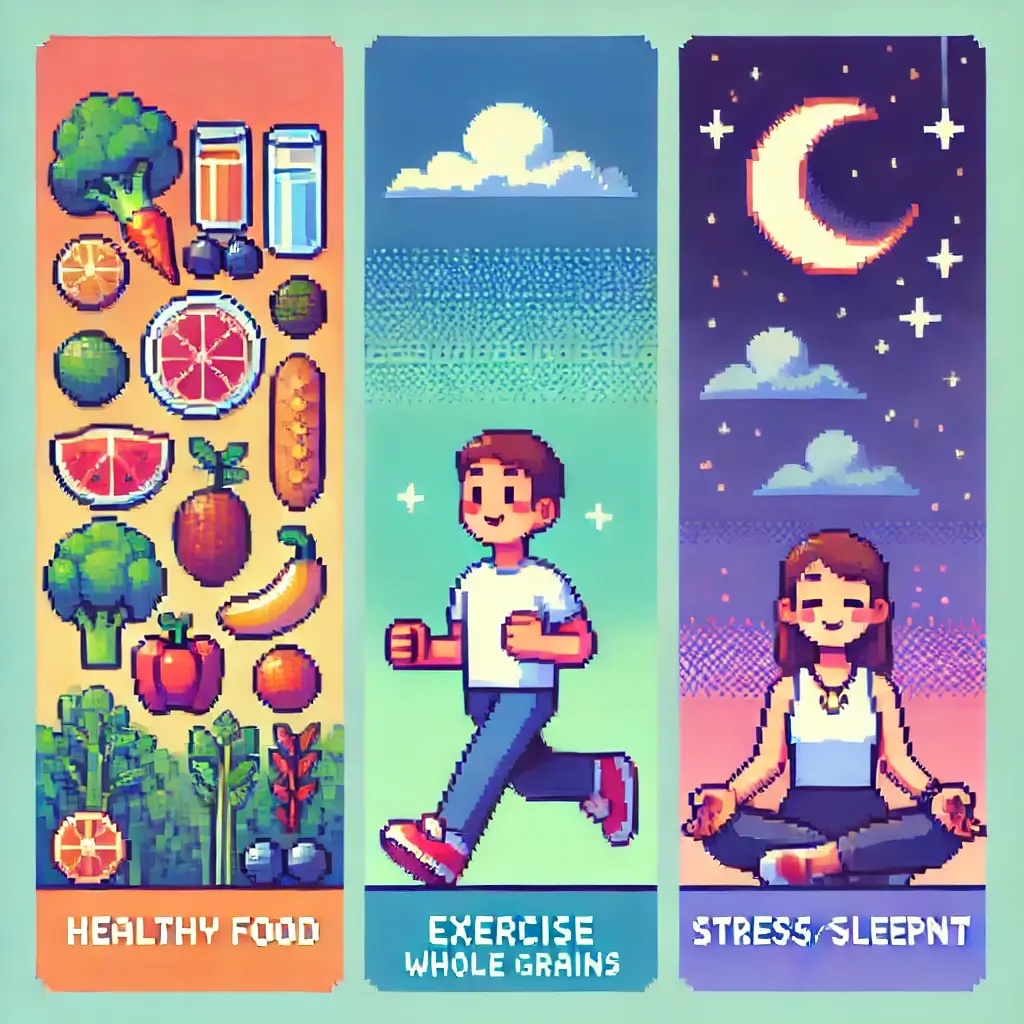
You’ve got the roadmap now: healthy eating, regular movement, and stress/sleep management.
But here’s the secret sauce, the ingredient that makes all the difference: **consistency**.
It’s not about being perfect; it’s about being persistent.
Think about a leaky faucet.
One drip doesn’t do much, but over time, it can fill a bucket, then a tub, then overflow.
The same goes for your healthy habits.
One healthy meal won’t reverse pre-diabetes, but consistent healthy meals over weeks and months? Absolutely!
One workout won’t transform your body, but regular workouts over time? You bet!
When I started, I used to get discouraged if I “slipped up.”
One cookie too many, one missed workout, and I’d think, “Ugh, I’ve ruined everything.”
But that’s the wrong mindset!
A slip-up isn’t a failure; it’s just a moment.
What matters is how quickly you get back on track.
This journey is a marathon, not a sprint.
Celebrate your small wins.
Did you choose water over soda today? High five!
Did you take a 15-minute walk when you felt tired? Awesome!
These small victories build momentum and confidence.
They prove to yourself that you *can* do this.
Don’t try to change everything at once.
Pick one or two things to focus on initially, master them, and then add another.
Maybe for the first week, your only goal is to drink a full glass of water before every meal.
The next week, add a 10-minute walk after dinner.
Build momentum gradually.
Remember, the goal isn’t just to reverse **pre-diabetes** (though that’s a fantastic outcome!), it’s to create sustainable, healthy habits that will serve you for a lifetime.
This is about building a better, stronger, more vibrant you.
Myth-Busting: Common Misconceptions About Pre-Diabetes
Let’s clear up some common myths that can trip people up on their journey to **pre-diabetes reversal**.
It’s important to separate fact from fiction so you can focus your energy on what truly works.
Myth 1: “Pre-Diabetes Always Leads to Type 2 Diabetes.”
Fact: Absolutely not! This is perhaps the most important myth to bust.
While many people with pre-diabetes *do* progress to type 2 diabetes, it is far from inevitable.
The entire purpose of identifying pre-diabetes is to intervene and prevent that progression.
With consistent lifestyle changes, many people can bring their blood sugar levels back to normal, effectively reversing their pre-diabetes.
You have the power to change your trajectory!
Myth 2: “I Don’t Have Any Symptoms, So It Can’t Be Serious.”
Fact: Pre-diabetes is often called a “silent killer” because it typically has no noticeable symptoms.
You can feel completely fine while your blood sugar levels are elevated, slowly doing damage over time.
This is why regular check-ups and blood tests are so crucial, especially if you have risk factors like a family history of diabetes, being overweight, or being over 45.
Don’t wait for symptoms; be proactive!
Myth 3: “Only Overweight People Get Pre-Diabetes.”
Fact: While being overweight or obese is a significant risk factor, lean individuals can also develop **pre-diabetes**.
Genetics, ethnicity, age, and other lifestyle factors (like diet quality, physical inactivity, and chronic stress) all play a role.
Even if you’re at a healthy weight, it’s essential to be mindful of your lifestyle choices and get screened if you have other risk factors.
Myth 4: “I Have to Go on a Very Strict, Restrictive Diet.”
Fact: While dietary changes are critical, it’s not about extreme restriction or endless deprivation.
As we discussed, it’s about making sustainable, balanced choices with whole, unprocessed foods.
It’s a shift in your eating philosophy, not a temporary diet that you abandon as soon as you hit your goal.
The focus is on nourishing your body, not starving it.
Finding joy in healthy eating is absolutely possible!
Myth 5: “Once I Reverse Pre-Diabetes, I Can Go Back to My Old Habits.”
Fact: Think of **pre-diabetes reversal** as achieving remission, not a cure.
If you revert to the lifestyle habits that led to pre-diabetes in the first place, your blood sugar levels are likely to climb back up.
The goal is to adopt a sustainable, healthy lifestyle for the long term.
This is a permanent shift, but it’s one that leads to a lifetime of better health and vitality.
It’s about making these healthy habits your new normal, not just a temporary fix.
Understanding these truths empowers you to approach your journey with clarity and realistic expectations, making success much more attainable.
Your Support System: Building a Team for Success
Going it alone can be tough.
That’s why building a strong support system is incredibly valuable on your journey to **pre-diabetes reversal**.
You don’t have to be a lone wolf; in fact, having people in your corner can make all the difference.
Your Healthcare Team: Your A-Team
First and foremost, your doctor is your primary ally.
They can help you monitor your blood sugar levels, track your progress, and provide personalized advice.
Don’t be afraid to ask questions!
Consider consulting with a Registered Dietitian Nutritionist (RDN).
They are food and nutrition experts who can help you create a personalized meal plan that fits your preferences and lifestyle, teaching you how to eat for **pre-diabetes reversal** in a delicious and sustainable way.
A certified diabetes educator (CDE) can also provide invaluable guidance on all aspects of managing pre-diabetes, from diet and exercise to stress management and medication (if needed).
And if exercise feels daunting, a qualified personal trainer can help you get started safely and effectively.
Family and Friends: Your Cheerleaders
Talk to your family and close friends about your goals.
Explain why these changes are important to you.
Having their understanding and encouragement can be incredibly motivating.
Maybe your spouse can join you on walks or help with meal planning.
Perhaps a friend wants to embark on a similar health journey, and you can be accountability partners.
Even if they don’t fully participate, their emotional support makes a world of difference.
Support Groups and Online Communities: Shared Experiences
Sometimes, connecting with others who are going through similar experiences can be profoundly helpful.
Look for local pre-diabetes support groups or online communities.
Sharing struggles, celebrating successes, and exchanging tips with people who truly “get it” can provide a sense of camaraderie and reduce feelings of isolation.
Knowing you’re not alone in this journey is incredibly powerful.
Remember, asking for help is a sign of strength, not weakness.
Surrounding yourself with positive influences and expert guidance will significantly boost your chances of long-term success in **pre-diabetes reversal**.
Reclaiming Your Vibrant Future: A Final Word of Encouragement
You’ve made it this far, which tells me you’re committed to your health, and that’s half the battle won.
The journey to **pre-diabetes reversal** isn’t always easy, but it is incredibly rewarding.
Imagine:
Waking up with more energy than you’ve felt in years.
Feeling confident in your food choices and enjoying delicious, nourishing meals.
Moving your body with ease and joy, experiencing less aches and pains.
Sleeping soundly through the night, feeling truly rested.
And most importantly, knowing that you’ve taken proactive steps to prevent type 2 diabetes and its potential complications, protecting your heart, your kidneys, your eyes, and your overall quality of life.
This isn’t just about numbers on a lab report; it’s about reclaiming your vitality, your freedom, and your future.
It’s about being present for your loved ones, pursuing your passions, and living life to the fullest.
Every single healthy choice you make is a step towards that vibrant future.
You have the knowledge now, and you have the power within you to make these changes.
Start today, even if it’s just one small step.
Your future self will thank you.
You’ve got this!
Pre-diabetes reversal, healthy lifestyle, blood sugar control, type 2 diabetes prevention, insulin sensitivity
💤 Sleep Hacks for Shift Workers 💪 Reclaim Your Perimenopause Power 🦴 Ditch Joint Pain