
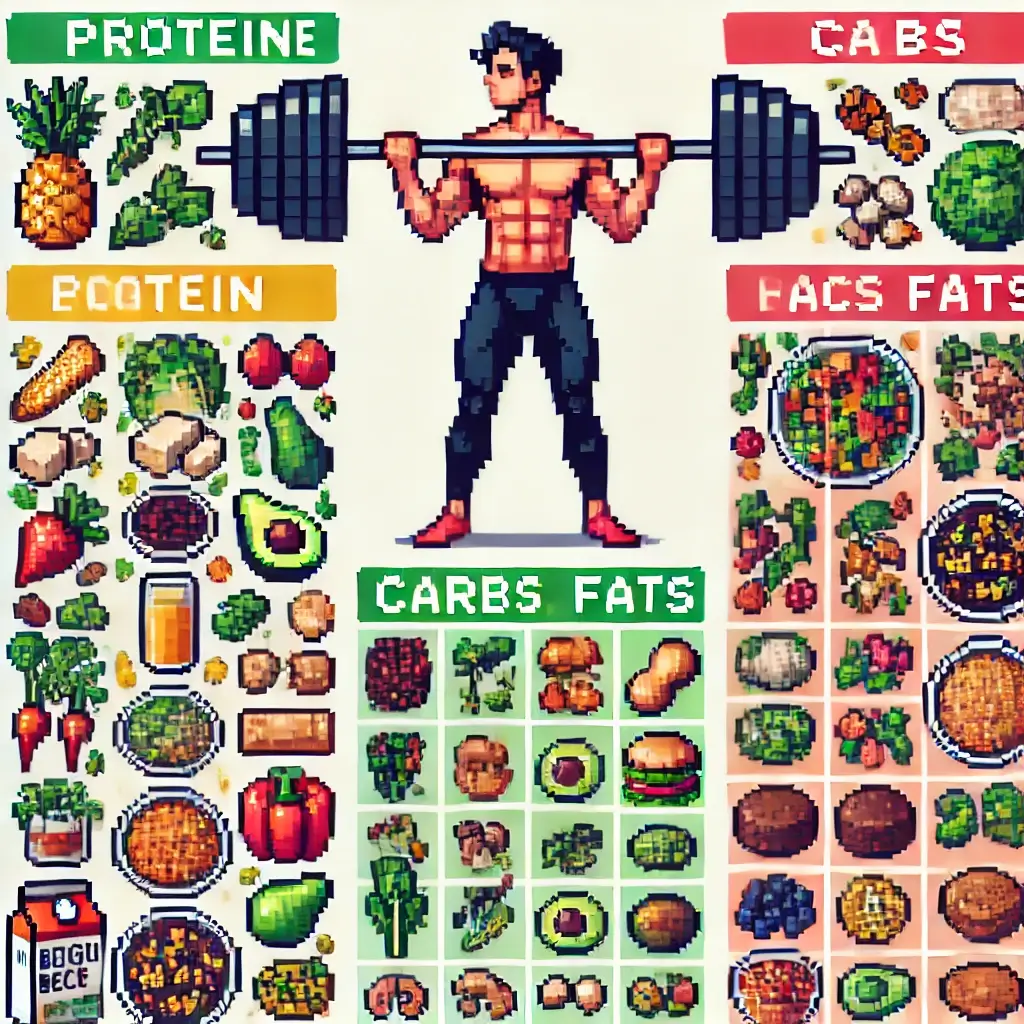
5 Shocking Vegan Athlete Secrets to Crushing Muscle & Performance!
Hello, my fellow plant-powered warriors!
Let’s get real for a second.
If you’re a vegan athlete, you’ve heard the whispers, the sideways glances, and the oh-so-original question, “But where do you get your protein?” a million times.
I know, because I’ve lived it.
For years, I was the guy at the gym with the shaky pea-protein shake, feeling like I had to justify every ounce of muscle I had.
I thought I had to be a walking textbook, reciting amino acid profiles just to prove I wasn’t wasting my time.
And you know what?
That’s all a bunch of nonsense.
The truth is, building muscle and achieving peak performance on a vegan diet isn’t about being a nutritional guru; it’s about a smarter, more intentional approach.
It’s about ditching the myths and building a solid, plant-based foundation that’s stronger than any steak.
This isn’t your average, dry nutrition guide.
This is the no-BS, real-talk roadmap I wish I had from day one.
We’re going to dive deep, pull back the curtain, and reveal the five most crucial secrets that have transformed my performance and the performance of countless other vegan athletes I’ve coached.
No more confusion, no more doubt—just pure, unadulterated muscle-building knowledge.
So, strap in, because your journey to becoming an absolute beast on a plant-based diet starts right here.
Table of Contents
The Protein Puzzle: Why You’re Thinking About It All Wrong
Let’s just get this out of the way right now.
The whole “complete protein” thing is a total red herring.
It’s the most common piece of misinformation thrown at us, and honestly, it’s holding a lot of people back.
Think of protein like a LEGO house.
Your body needs 20 different kinds of LEGO bricks (amino acids) to build muscle.
9 of those are “essential,” meaning you have to get them from your diet.
An animal source like chicken breast gives you all the bricks in one neat, pre-assembled package.
A plant-based food, like beans, might give you a ton of red bricks but not enough blue ones.
Lentils might give you plenty of blue bricks but be short on the green ones.
The magic is, your body is a master LEGO builder!
It doesn’t need all the bricks in a single meal.
It has a pool of amino acids it can draw from throughout the day.
As long as you’re eating a variety of plant-based foods—rice and beans, hummus and pita, a hearty lentil soup with some whole-grain bread—you’re getting all the bricks you need.
You’re building that house, one meal at a time.
So, stop worrying about “completeness” and start focusing on “abundance.”
Your protein sources should be diverse and plentiful.
My go-to sources are lentils, chickpeas, black beans, edamame, tofu, tempeh, and a little bit of seitan when I want to feel like a superhero.
Tofu, tempeh, and edamame are soy-based and are considered “complete” proteins on their own, so they’re excellent foundational foods.
Seitan is almost pure protein, though it’s not a complete protein and contains gluten, so it’s not for everyone.
Don’t forget about nuts, seeds, and whole grains, which also contribute significantly to your daily intake.
A tablespoon of hemp seeds, for example, is a secret weapon, packing in a surprisingly high amount of protein and healthy fats.
The key is to eat a wide range of these foods throughout the day, not to find one single “perfect” source.
This approach not only ensures you get all the essential amino acids but also provides a huge variety of vitamins, minerals, and fiber that you just don’t get from animal products.
It’s about building a strong, resilient body from the inside out.
Your Macro Blueprint: The 3 Numbers That Matter Most
Alright, now that we’ve put the protein myth to bed, let’s talk numbers.
For a serious vegan athlete, your macronutrient ratios (protein, carbs, and fat) aren’t just a suggestion; they’re your game plan.
I’m not a fan of rigid macro counting for everyone, but if you’re trying to build muscle and improve performance, a little bit of awareness goes a long way.
Let’s break it down.
Protein: You need more than the average person. I recommend aiming for 1.6 to 2.2 grams of protein per kilogram of body weight (or about 0.7 to 1.0 grams per pound). If you’re in a serious bulking phase or cutting phase, you might even want to push that a little higher. Don’t get scared; with the right foods, this is totally achievable. Think about it: a cup of lentils has about 18g of protein, and a block of firm tofu can have over 40g.
Carbohydrates: Carbs are your fuel. Period. They are what power your workouts, help you recover, and give you the energy to crush it day in and day out. Don’t fall for the low-carb traps. For a vegan athlete, carbs should make up the majority of your calories, roughly 50-60% of your total intake. Focus on complex carbs like oats, brown rice, quinoa, potatoes, sweet potatoes, and whole grains. These are the slow-burning logs that keep your engine running.
Fats: Healthy fats are crucial for hormone function, nutrient absorption, and overall health. They are your body’s long-term energy reserve and a key player in inflammation management. Aim for around 20-30% of your calories from fat. Get them from sources like avocados, nuts, seeds, and healthy oils (like olive and flaxseed oil).
Getting these ratios right is like tuning a high-performance engine.
Too little protein, and your engine can’t rebuild itself.
Too few carbs, and you run out of gas halfway through the race.
Too little fat, and you start seeing all sorts of problems with your body’s operating systems.
It’s all about balance and consistency.
Once you nail these numbers, you’ll feel a noticeable difference in your energy levels, recovery, and overall strength.
It’s like switching from a beat-up old car to a brand-new sports car that purrs with power.
Beyond the Basics: Essential Micronutrients for the Vegan Athlete
Listen, macros are the big picture, but micronutrients are the tiny, invisible gears that make the entire machine work.
And for a vegan athlete, there are a few key players you need to keep a close eye on.
This isn’t about fear-mongering; it’s about being smart and proactive.
Vitamin B12: This is the non-negotiable one. B12 is created by bacteria in soil and is essential for red blood cell formation and nerve function. It’s not naturally found in most plants today due to modern farming practices. The only reliable sources for vegans are fortified foods (like some plant milks and nutritional yeast) or a supplement. I recommend everyone, especially athletes, take a B12 supplement. It’s cheap, easy, and essential for your body to function properly.
Iron: The vegan iron source (non-heme iron) isn’t as easily absorbed as the heme iron from meat. But don’t despair! You can dramatically increase absorption by pairing iron-rich foods with a source of Vitamin C. Think of it like this: your body needs a key (Vitamin C) to unlock the iron. So, have a big salad with lentils and chickpeas, and squeeze some lemon juice on it. Or pair your oatmeal with some strawberries. My favorite hack is a handful of raisins (iron) and a glass of orange juice (Vitamin C) for a quick boost.
Zinc: Crucial for immune function and cell growth. Plant sources include legumes, nuts, seeds, and whole grains. Soaking or sprouting your beans and grains can help reduce compounds that inhibit zinc absorption.
Calcium: We’re told we need milk for strong bones, but that’s another myth that needs to be debunked. Leafy greens (collard greens, kale), fortified plant milks and juices, tofu (made with calcium sulfate), and sesame seeds (tahini!) are all excellent sources.
Vitamin D: The “sunshine vitamin” is vital for bone health and immune function. You can get it from fortified foods, but your best bet is getting 15-20 minutes of sun exposure a few times a week, or using a supplement.
Think of it like this: you’re building a fortress.
The macros are the walls and the foundation.
The micronutrients are the mortar, the steel reinforcements, and the security system.
You can’t have a strong, reliable fortress without paying attention to the details.
For a deeper dive into the science behind these nutrients, check out the resources from the Academy of Nutrition and Dietetics. They’re a trusted source of evidence-based info.
Timing Is Everything: How to Fuel Your Body for Maximum Results
You wouldn’t try to run a marathon without drinking water, right?
The same logic applies to your nutrition and workouts.
What you eat and when you eat it can be the difference between a mediocre session and a personal best.
It’s about having a strategy, not just eating randomly.
Pre-Workout (60-90 minutes before): This is your last chance to top off the tank. Focus on easily digestible carbs to give you a quick burst of energy and a little bit of protein to kickstart muscle repair. A banana with a spoonful of almond butter, a small bowl of oatmeal with berries, or a few dates are all excellent choices. The goal is to feel energized, not sluggish and full.
Intra-Workout (During your session): For most workouts under an hour, water is enough. But if you’re doing a longer, more intense session (think a long run, a heavy lifting session over 90 minutes, or a cycling class), a simple carbohydrate source can make a huge difference. You can mix some simple sugar (like a sports drink or a couple of dates) into your water.
Post-Workout (The 30-60 minute “Anabolic Window”): This is the most crucial meal of your day for muscle growth. After you lift, your muscles are like sponges, ready to soak up nutrients. You need a mix of protein and carbs to replenish glycogen stores and repair muscle tissue. I recommend aiming for a 3:1 or 4:1 carb-to-protein ratio. A post-workout smoothie is my favorite go-to. I’ll blend a scoop of my favorite vegan protein powder with a frozen banana, some spinach, and a few spoonfuls of almond butter. It’s fast, delicious, and gets the job done. If you prefer a whole food meal, a big bowl of lentil pasta with some chickpeas and a light sauce is also fantastic.
Don’t miss this window.
It’s the most important recovery tool in your arsenal.
Skipping this meal is like trying to rebuild a house after a tornado without any construction workers.
It’s not going to happen, and you’re leaving gains on the table.
The Supplement Stack: Your Secret Weapon for Explosive Growth
Supplements are a touchy subject.
They are not magic potions, and they won’t replace a poor diet.
Think of them as the cherry on top, not the cake itself.
Once your diet is dialed in, a few key supplements can provide a serious edge.
Vegan Protein Powder: This is probably the most practical supplement for a vegan athlete. It’s a convenient, fast way to get a large dose of protein post-workout or on the go. My personal favorites are pea protein (I find it easy to digest) and a mixed blend (pea, rice, and hemp) for a complete amino acid profile.
Creatine Monohydrate: If there’s one supplement that’s a no-brainer for any athlete, vegan or not, it’s creatine. It’s one of the most studied, safest, and effective supplements for increasing strength, power, and muscle mass. Most of the creatine we consume comes from meat and fish, so vegans often have lower natural levels. A daily dose of 5g is a simple way to boost your performance. Don’t fall for the hype of expensive, fancy versions; simple creatine monohydrate is all you need.
Beta-Alanine: This one is for the endurance athletes and the high-rep lifters. It helps buffer lactic acid, allowing you to push through those last few reps or miles with less burn. You might feel a harmless tingling sensation (paresthesia) after taking it, which is completely normal.
Again, these aren’t mandatory, but they can be a huge help when you’re pushing your body to its limits.
Just remember, food first, supplements second.
For a detailed look at the science behind creatine, check out the in-depth analysis from Examine.com. They break down the research in a clear, unbiased way.
The Pro’s Playbook: Building a Bulletproof Vegan Meal Plan
You wouldn’t go into a big game without a playbook, so why would you approach your nutrition that way?
The number one reason most people fail to stick to a new diet, vegan or not, is a lack of planning.
I get it.
Life is busy, and sometimes the last thing you want to do is spend your Sunday meal prepping.
But trust me, a few hours of planning and batch cooking can save you from a week of bad decisions, low energy, and missed gains.
The pro’s playbook for a vegan athlete looks like this:
1. The Sunday Grind: Dedicate an hour or two on Sunday to cooking staples for the week. Cook a big batch of quinoa or brown rice, a pot of lentils or chickpeas, and roast a tray of sweet potatoes or broccoli.
2. Portion and Prep: Once everything is cooked, portion out your meals into containers. This takes all the guesswork out of your busy weekdays. Just grab a container and go.
3. Snack Smart: Always have healthy snacks on hand. A bag of trail mix, some pre-chopped veggies and hummus, or a piece of fruit. This prevents you from reaching for the first convenient, unhealthy thing you see.
4. The “Fill Your Plate” Method: When building a meal, think about filling your plate with a variety of colors and textures. A carb source (rice, quinoa), a protein source (beans, tofu), and plenty of veggies. This ensures you’re getting a wide array of nutrients.
This approach takes all the stress out of daily eating.
You know exactly what you’re eating, you know it’s fueling your body, and you don’t have to think about it.
It’s like an autopilot for your nutrition.
Myth-Busting 101: Crushing Common Vegan Athlete Fables
We’ve covered the practical stuff, but let’s address the nonsense that still floats around.
The mental game is just as important as the physical one.
Myth: “Vegan food is boring.”
Reality: I laugh at this one. Seriously, have you ever seen the endless options? Indian, Thai, Mediterranean, Mexican… almost every cuisine on the planet has incredible plant-based dishes. With a little creativity and some spices, you can create meals that are more flavorful and satisfying than anything a carnivore can put on their plate.
Myth: “You can’t get big and strong without meat.”
Reality: Patrik Baboumian, one of the world’s strongest men, is a vegan. So are countless CrossFit athletes, bodybuilders, and Olympic sprinters. The idea that you need meat to be strong is a marketing ploy, not a scientific fact. It’s about training hard, eating enough calories, and getting your macros right. The source of the protein is secondary.
Myth: “Vegan food is too expensive.”
Reality: This one is laughable. The most expensive things in the grocery store are meat, cheese, and dairy. The cheapest things? Rice, beans, lentils, pasta, potatoes. Eating a whole-foods plant-based diet is one of the most affordable ways to eat, hands down. Yes, fancy vegan “meat” alternatives can be pricey, but you don’t need them to thrive. A big pot of lentil chili is cheaper and more nutritious than any fast-food burger.
Don’t let these myths hold you back.
The truth is, you have all the tools you need to succeed.
Your Ultimate Vegan Athlete Meal Plan: A 7-Day Guide to Crushing It
Okay, let’s put it all together into a real-world, actionable plan.
This isn’t just a list of foods; this is a strategic blueprint for a week of high-performance eating.
I’ve designed this to be simple, delicious, and effective.
This plan is high in protein, rich in complex carbs, and packed with all the micronutrients you need to perform at your best.
Adjust portion sizes based on your individual calorie needs and training volume.
Day 1 – The Recharge Day
Breakfast: Protein-packed oatmeal. Cook 1 cup of oats with 1 scoop of vegan protein powder and top with berries, chia seeds, and a handful of walnuts.
Lunch: A big lentil soup. Make a large pot on Sunday with lentils, carrots, celery, onion, and vegetable broth. Serve with a side of whole-grain toast.
Dinner: Tofu and veggie stir-fry. Pan-fry a block of pressed tofu until crispy, then add a mix of broccoli, bell peppers, and snow peas. Serve over brown rice with a ginger-soy sauce.
Snacks: Apple slices with almond butter, a small handful of edamame.
Day 2 – The Heavy Lift Day
Breakfast: A huge smoothie. Blend a scoop of vegan protein powder, a frozen banana, a handful of spinach, 1 tablespoon of flax seeds, and 1 cup of fortified soy milk.
Lunch: Leftover stir-fry from yesterday. It’s even better the second day!
Dinner: Black bean burgers on a whole-wheat bun with a big side of sweet potato fries. Top your burger with avocado and tomato for extra nutrients.
Snacks: A protein bar, a handful of mixed nuts.
Day 3 – The Active Recovery Day
Breakfast: Scrambled tofu. Crumble a block of firm tofu and sauté with nutritional yeast, turmeric, and black salt for a classic “egg” flavor. Serve with a side of roasted potatoes and sautéed kale.
Lunch: Quinoa salad. Mix cooked quinoa with chickpeas, diced cucumber, tomatoes, red onion, and a lemon-tahini dressing.
Dinner: Hearty lentil sloppy joes on a bun with a side salad.
Snacks: A serving of fruit, a scoop of hummus with bell pepper slices.
Day 4 – The Endurance Day
Pre-workout (1 hour before): A banana and a few dates.
Breakfast (Post-workout): A big bowl of oatmeal with a scoop of protein powder, topped with banana slices and walnuts.
Lunch: Tempeh “chicken” salad sandwich. Mash up some steamed tempeh, mix with vegan mayo, celery, and a touch of mustard. Serve on whole-wheat bread.
Dinner: Baked potato with chili. Top a large baked potato with a generous portion of your leftover lentil chili from earlier in the week.
Snacks: A smoothie with frozen berries and spinach.
Day 5 – The Push Day
Breakfast: A massive protein smoothie. Don’t skimp today. Add more protein powder, some nut butter, and an extra banana.
Lunch: Leftover potato and chili.
Dinner: Vegan pizza! Make a homemade crust and top with tomato sauce, vegan sausage, mushrooms, bell peppers, and vegan cheese (optional).
Snacks: A handful of almonds, an orange.
Day 6 – The Fun Day
Breakfast: Vegan pancakes or waffles with fresh berries and maple syrup. Add some protein powder to the mix for a boost.
Lunch: A big salad from a local cafe, making sure to get a protein source like chickpeas or grilled tofu.
Dinner: Tacos! Fill corn tortillas with spiced black beans, roasted sweet potatoes, fresh salsa, avocado, and a squeeze of lime.
Snacks: A bowl of popcorn, a small serving of hummus.
Day 7 – The Final Sprint
Breakfast: Another scrambled tofu with a side of toast and avocado.
Lunch: Leftover tacos, or a big rice bowl with beans, corn, and salsa.
Dinner: A big bowl of curry. Cook up a simple coconut milk curry with chickpeas, spinach, and potatoes. Serve over rice.
Snacks: A homemade protein shake with pea protein, spinach, and a banana.
This is just a starting point, of course.
Feel free to mix and match to find what works for you.
The point is to have a framework, a plan to fall back on so you’re always fueling your body for success.
Need some more recipe inspiration to make your meal prep even more exciting? Check out some fantastic, athlete-friendly recipes from Minimalist Baker. Their recipes are a game-changer for me.
There you have it.
The secrets are out of the bag.
You don’t need to be a meat-eater to be an athlete, and you don’t need a complicated plan to be a successful vegan athlete.
What you need is the right information, a little bit of planning, and the courage to ignore the noise.
Focus on variety, prioritize your macros, pay attention to those crucial micronutrients, and for goodness sake, don’t skip your post-workout meal.
Your body is an incredible machine, and it can build and perform on the fuel you give it.
Now go out there and prove them all wrong.
You got this.
Vegan Nutrition, Plant-Based Performance, Muscle Building, Athlete Diet, Vegan Protein